Winning Through Technology: Building an Enterprise-Wide MI Platform at Sumitomo Electric
- Sumitomo Electric Industries, Ltd.
- Industry: Non-ferrous metals, electric wires, electronic components, and automotive parts
- Business Overview: Sumitomo Electric Industries is a global manufacturer operating in five business areas: environmental energy, information and communication, automotive, electronics, and industrial materials. The company develops and manufactures a wide range of products, including electric wires and cables, optical communication components, automotive wire harnesses, electronic materials, semiconductor-related materials, and cutting tools, supporting energy infrastructure, information and communication networks, mobility, and the electronics industry.
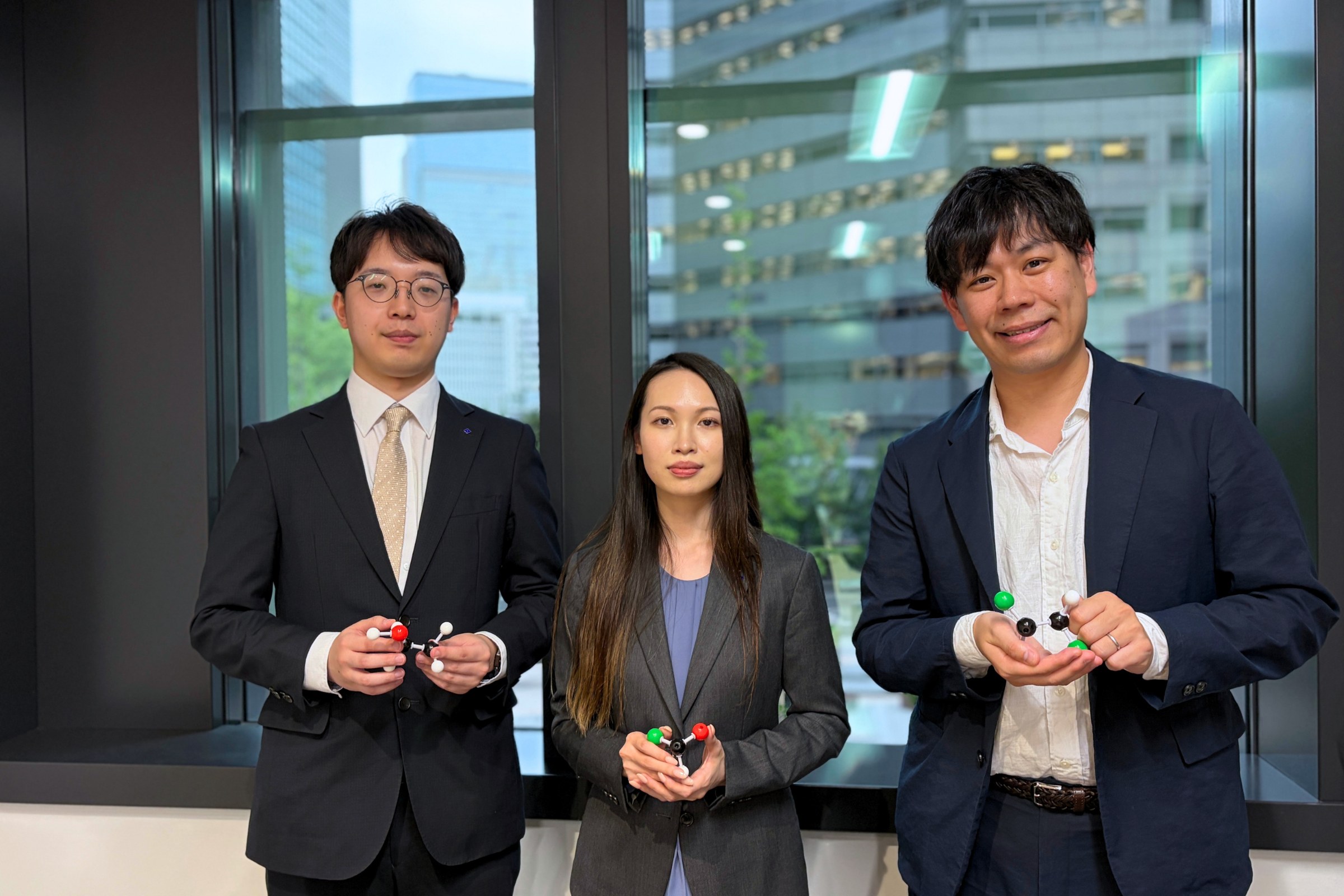
"As product development cycles became longer and taking on new challenges became increasingly difficult, I felt it was important to return to one of the fundamental principles of manufacturing: winning through technology." (Takakuwa)
In recent years, materials informatics (MI) has gained widespread adoption across the manufacturing industry. In many cases, however, its application remains confined to individual research projects or organizations, and valuable know-how can be lost as personnel move between roles or organizational structures change.
Moreover, improving the efficiency of materials discovery alone is not enough to create a sustainable competitive advantage. True industrial innovation requires not only discovering new materials, but also transforming those discoveries into viable products and successfully scaling them to production.
At Sumitomo Electric, we have been addressing these challenges with the goal of returning to one of the fundamental principles of manufacturing: winning through technology. To achieve this, we have been building an R&D platform that integrates experimentation, simulation, and data science under the concept of “MI for Industrial Applications.”
Within this framework, Matlantis serves not merely as a simulation tool, but as a foundation for accumulating materials knowledge and accelerating the entire research and development process.
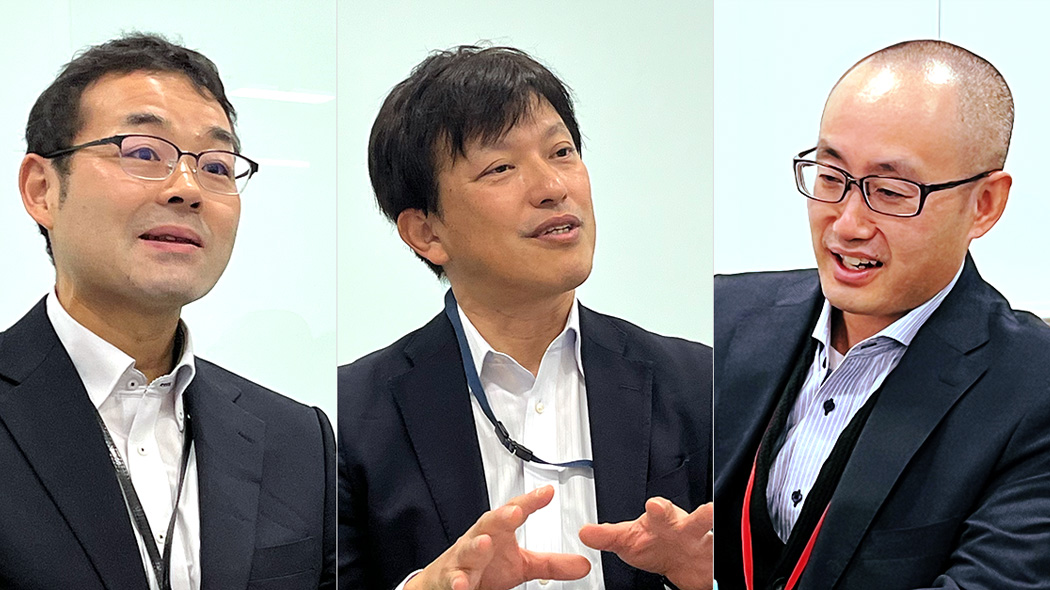
In this interview, we spoke with Tatsuya Takakuwa, who has been using Matlantis since its initial release; Ryo Nomada, who is driving its application in day-to-day research activities; and Iori Imaizumi, who previously promoted Matlantis adoption as a member of the MI/PI Promotion Group, AI Promotion Department, and now conducts research and development at the Optical Communication Research Laboratory. Together, they share Sumitomo Electric’s vision for “MI for Industrial Applications” and how Matlantis is helping bring that vision to life.
table of contents
Sumitomo Electric's Approach to Materials Informatics
Q. First, could you tell us about the role of your department?
Takakuwa:
In short, our mission is to enable the industrial application of Materials Informatics (MI). We view the entire process—from fundamental materials research to commercialization and mass production—as a single engineering value chain. Our role is to identify bottlenecks throughout that process and improve both efficiency and effectiveness.
In materials development, discovering a promising material through MI is only the beginning. Challenges often emerge during product development, process development, or scale-up, sometimes requiring teams to return to the research stage. For that reason, our role is not simply to discover new materials, but to help overcome the barriers between research and commercialization by combining Materials Informatics, Process Informatics (PI), and process engineering expertise in collaboration with research departments across the company.
The MI/PI Promotion Group does not own specific material development themes itself. Instead, it functions as a company-wide hub that supports the entire R&D process, working closely with materials researchers and product development teams across Sumitomo Electric's research departments and business units.
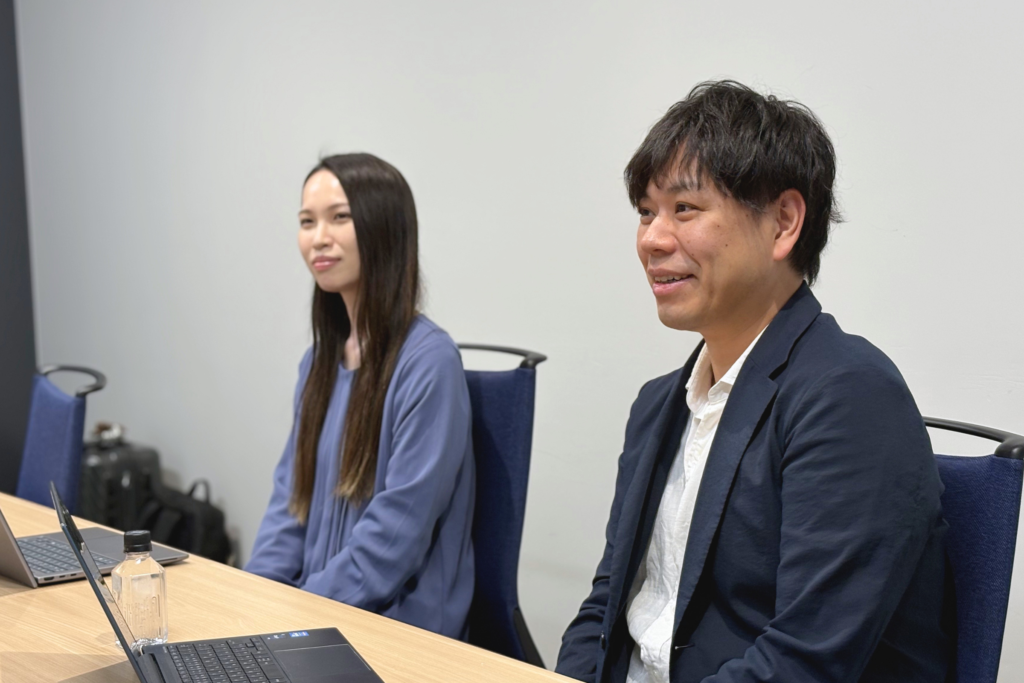
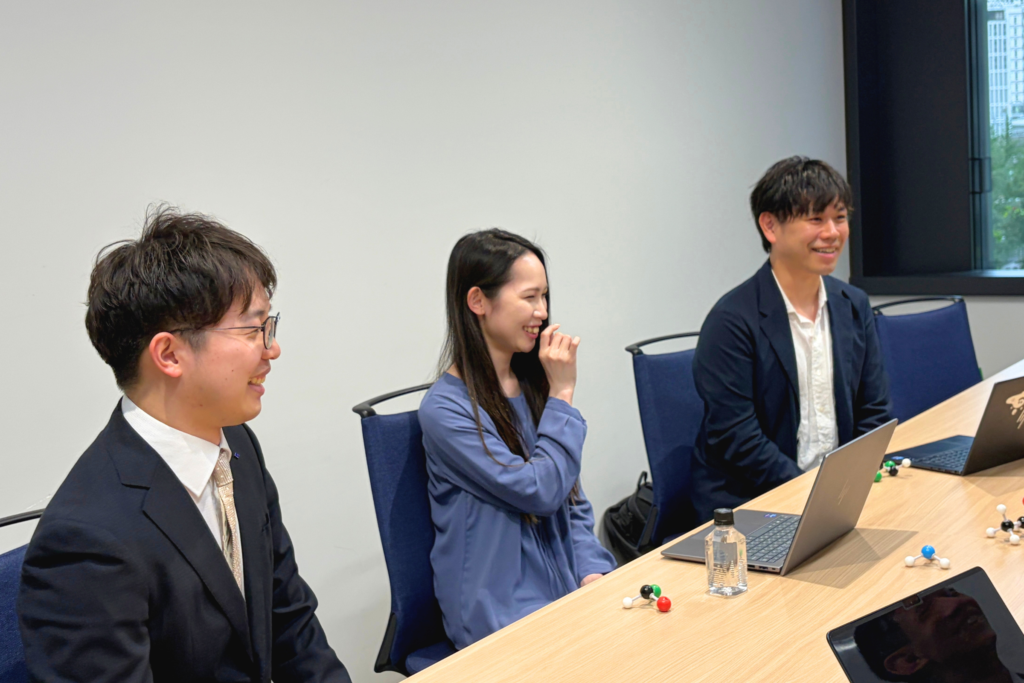
From right: Tatsuya Takakuwa (Manager, MI/PI Promotion Group, AI Promotion Department, Digital Transformation laboratory) and Ryo Nomada (MI/PI Promotion Group).
--So, your role is to work alongside researchers who own specific development themes and support them all the way from materials design to commercialization and mass production?
Takakuwa:
Yes. I frequently have discussions with the heads of research departments and business units, who share their long-term plans with us, such as, “We want to commercialize this technology by 2030.” Based on those discussions, we identify themes where MI and PI can make a significant impact—either by improving efficiency or by contributing directly to business value—and prioritize them accordingly. We then work together with the relevant teams to drive those initiatives forward.
These projects are expected to deliver not only technical results but also business outcomes, which naturally raises the level of responsibility involved. Our approach is to first identify strategic themes through discussions with management and research leaders, and then collaborate closely with the teams involved. As these collaborations progress, researchers and business teams deepen their understanding of DX, MI, and PI. This often leads to new conversations at the individual level, with people approaching us and saying, “We have another challenge that might benefit from this approach,” which in turn creates new opportunities for collaboration.
I believe organizational capabilities are just as important as technical capabilities.
It is essential to identify challenges that are common across business strategy and R&D, and to build alignment around why a particular theme matters. In that sense, our role is gradually evolving from that of a technical computing team into a company-wide hub that connects research departments and business units, with responsibilities that increasingly resemble those of a strategic planning function.
Q. --That's quite a unique structure. Is this organization unique to Sumitomo Electric?
Takakuwa:
When individual research departments pursue MI and PI independently, those fields can certainly advance within each organization. However, from the perspective of overall optimization, the benefits often remain confined to a single department. In some cases, this can even create organizational silos, with neighboring groups questioning why they should support MI-related initiatives.
I've also seen many cases where MI and PI activities lose momentum as soon as a key person is transferred to another role.
To avoid that situation, we believe MI and PI must be embedded into the company's management strategy rather than relying on specific technologies or individuals. That philosophy forms the foundation of our current organization.
Q. --Could you tell us about the respective roles you and Ms. Nomada play within the team? Also, how are responsibilities divided within the group?
Nomada:
My primary role is to support researchers and engineers who come to us with questions such as, "Could we solve this problem using simulation or data analysis?" We help them address those challenges through computational modeling, simulation, and data-driven approaches.
For example, in areas such as quality improvement and defect analysis, we work closely with project teams to understand what is happening in the data and identify opportunities for improvement. I would describe my role as being very hands-on, and many of our younger team members play similar roles.
Within our group, responsibilities are not divided by technical domain or methodology. The real challenge lies in understanding the materials and processes themselves, so we choose the most appropriate approach for each problem. Many of our members are willing to learn and apply whatever techniques are necessary to solve the challenge at hand.
Takakuwa:
As a manager, my role is to connect stakeholders across business units, research departments, and senior management. Each group has its own objectives and challenges, and my job is to align those perspectives and facilitate productive collaboration.
To achieve meaningful results, it is important to clearly communicate the business value of our activities and build a shared understanding of why MI and PI matter. While that may sound strategic, a surprisingly large part of the job involves building trust through day-to-day communication and personal relationships.
At the same time, I make a point of staying current with emerging technologies. Within the company, I'm sometimes jokingly referred to as a "wizard," but part of my role is introducing new technologies such as NNPs and LLMs (large language models), connecting researchers across different departments, and helping promising ideas spread throughout the organization.
Management is naturally interested in business value, while researchers are often more excited by technological innovation. However, technology alone does not create business success, and business goals alone do not inspire researchers.
Our role is to bridge those two perspectives. When someone comes to our team with a challenge, we can connect them with both the technical expertise and the business context they need. Ultimately, I see my role as creating an environment where scientific curiosity and business impact can coexist.
Returning to the Principle of Winning Through Technology
Q. --You mentioned the importance of balancing excitement and business value. What challenges led to the MI/PI Promotion Group taking its current form?
Takakuwa:
Before joining Sumitomo Electric, I also worked on the business side. Through that experience, I observed that as businesses become more successful, companies that once differentiated themselves through technology often begin creating value in other areas, such as supply chains and operations.
Of course, those capabilities are important. However, when looking at Japanese manufacturing as a whole, I felt that product development cycles were becoming longer, organizations had more and more to protect, and taking on new challenges was becoming increasingly difficult.
That is why I felt it was important to return to one of the fundamental principles of manufacturing: winning through technology.
If a company the size of Sumitomo Electric can demonstrate that mindset, I believe it can have a positive impact not only on our company but on Japanese manufacturing as a whole. I continue to hold that belief today.
Results Inspire People: From a Grassroots Initiative to an Enterprise-Wide Hub
Q. --How did that perspective eventually lead to the creation of the current MI/PI Promotion Group?
Takakuwa:
At the time, each research department within the company was pursuing MI, PI, and DX initiatives independently. However, approaches varied widely, and many efforts failed to achieve the expected results.
In some cases, teams were applying machine learning to datasets that simply lacked the information necessary to make reliable predictions. I felt that valuable research assets and data were not being fully utilized across the company.
So I decided to start by demonstrating how it could be done successfully.
However, this was not a company-wide initiative from the beginning. In fact, when I first joined the company, I had no intention of working on MI. I joined an information technology department because I wanted to deepen my expertise in deep learning. But because my name is relatively uncommon, people quickly discovered that I had previous experience in MI (laughs). Before long, another research department asked me to help with an MI-related project focused on identifying promising battery materials. At first, it was a small activity that met only once every couple of weeks.
As we began proposing candidate materials using computational approaches, we started to see tangible results. People began to realize that materials discovery could be conducted in a more systematic and reproducible way. We also found that methods that worked in one research department could often be applied successfully in others.
I later had the opportunity to present our work to the CTO. He was surprised by the results, commenting that tasks that previously took years could now be completed much more quickly through computational approaches, and that the predictions actually worked in practice. From there, interest spread rapidly, and other research departments began asking whether similar approaches could be applied to their own challenges.
Ultimately, however, I believe success depends more on who you work with than on what you do. Building relationships with key people across the organization means having trusted partners when challenges arise. That has been one of my guiding principles since I joined the company, not only in MI but in every aspect of my work.
Interestingly, I did not spend much time visiting research departments in search of collaborators. More often, people reached out to me after presentations. After speaking at internal events, I would receive Teams messages from researchers saying, "I was listening to your presentation."
Like-minded people gradually gathered around these activities. As we accumulated results together, a shared understanding emerged: rather than having each organization work independently, it would be more effective to share knowledge, best practices, and expertise across the company.
Over time, I had more opportunities to present as a research leader and DX representative. I participated in Sumitomo Electric's DX Conference from its very first year and was selected to present as a representative only six months after joining the company. The case study I presented focused on materials discovery using Matlantis. By applying Matlantis to an active research project, we were able to significantly accelerate the discovery process and identify candidate materials that ultimately led to patent applications.
The presentation received a tremendous response at the DX Conference. Personally, I was struck by how dramatically Matlantis changed the way we approach research and development.
Matlantis Becomes Part of Everyday R&D
Q. --From what you've shared so far, it sounds like the MI/PI Promotion Group has been using Matlantis since its earliest days. How did you first learn about Matlantis, and what led you to adopt it?
Takakuwa:
What attracted me to Matlantis was the sense that it represented something fundamentally new. From the moment I learned about it, I felt it had the potential to become a breakthrough technology.
From an informatics perspective, there is an inherent limitation to simulation. No matter how sophisticated a model becomes, it can never perfectly reproduce reality.
I believed that the future would lie in combining real-world data with simulation results and using both as inputs for decision-making and prediction.
That approach works relatively well for small systems, such as single molecules, but becomes increasingly difficult as system size grows. What I had always wanted was a technology that could deliver near-DFT accuracy while operating at a speed comparable to molecular dynamics simulations.
To me, NNPs—and Matlantis in particular—represented that ideal.
Even without building large-scale models ourselves, the pretrained foundation model could provide reliable predictions for previously unseen atomic combinations. That was an extremely powerful capability.
I felt immediately that this technology would become important in the future, so I decided to adopt it as early as possible. In fact, I believe we reached out within just a few days of the initial release.
Q. What changes or value has Matlantis brought to your research and development activities?
Takakuwa:
Today, Matlantis plays a role in almost every screening workflow we perform.
In the past, when exploring unknown materials, we relied on DFT calculations or literature-based searches for candidate materials. Matlantis is both fast and sufficiently accurate, which makes it ideal for the early stages of research when only a small amount of data is available and researchers are still trying to identify promising directions.
As experimental data accumulates, those results can be combined with physical models to build more robust predictive frameworks, including gray-box models with strong extrapolation capabilities.
In that sense, Matlantis has fundamentally changed the early stages of our R&D process. We have reached a point where it would be difficult to imagine working without it.
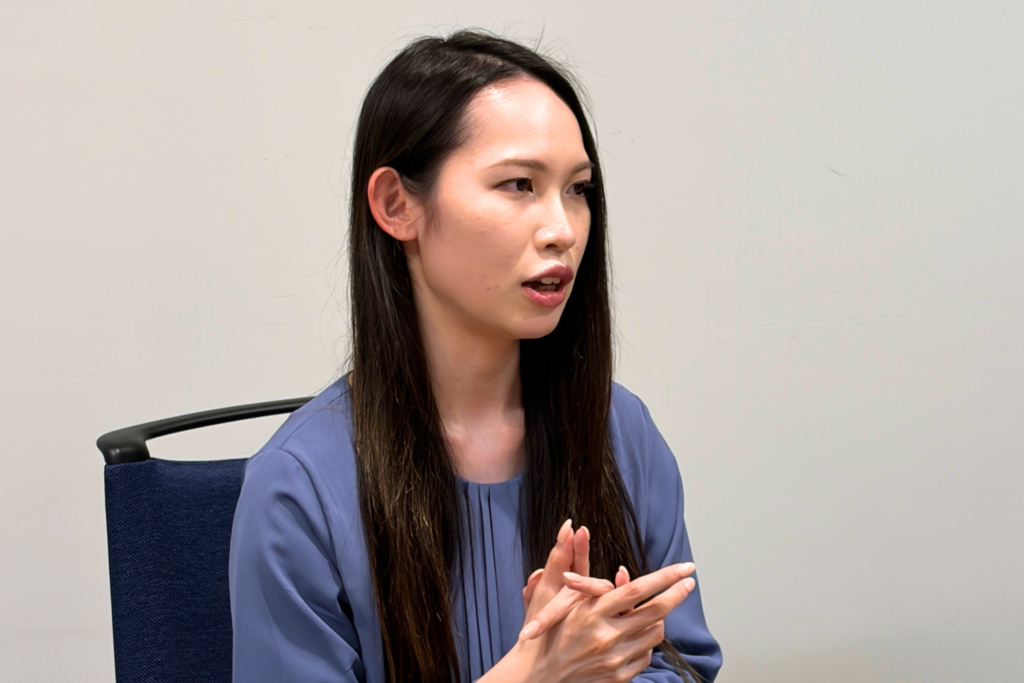
Nomada:
I joined after Matlantis had already been introduced, so I cannot directly compare the before-and-after situation. However, as someone with a background in computational chemistry, I can say that it has significantly changed my perception of simulation itself.
Traditionally, quantum chemistry calculations and DFT calculations were associated with long turnaround times. Matlantis dramatically reduced those barriers, making large-scale simulation much more accessible and changing the way I think about computational science.
Previously, the scope of what could be achieved was often constrained by computational cost and available resources. With Matlantis, many of those constraints have been reduced, allowing us to focus more directly on the scientific and engineering problems we are trying to solve.
Even when researchers or business units request specific analyses, deadlines and computational limitations often force us to narrow the scope of what can realistically be delivered. By reducing those limitations, Matlantis allows us to spend more time thinking about the problem itself rather than the constraints surrounding it.
Another major benefit is the ability to quickly generate and share results. When discussing a simulation while visualizing atomic trajectories, it becomes much easier to communicate ideas, refine hypotheses, and explore alternatives together.
Matlantis not only deepens technical discussions but also serves as a catalyst for communication. The ability to quickly present large-scale simulation results often sparks entirely new conversations.
Q. Mr. Takakuwa, you have been using Matlantis since the early days of the team. How has its position within the company changed over the past five years?
Takakuwa:
First and foremost, I believe trust in Matlantis has increased significantly among researchers.
In the beginning, many people compared it directly with first-principles molecular dynamics calculations and questioned its reliability. Some evaluations were quite critical, especially when benchmarked against relatively small systems.
Today, however, that skepticism has largely disappeared. Researchers have become more familiar with the technology, and the prevailing attitude has shifted toward, "It's fast—let's try it first." In many cases, Matlantis has become the default starting point before moving on to more computationally expensive methods.
At the same time, our own expertise in automated materials exploration and Matlantis-based workflows has grown considerably. As we have demonstrated successful use cases throughout the company, researchers have become increasingly interested in exploring the technology themselves.
We now see more researchers with computational science backgrounds experimenting with Matlantis and integrating it into their own work.
I also believe it has educational value. By interacting directly with atomic-scale simulations, researchers develop an intuitive understanding of how structures, energies, and reactions are related.
Many people start by experimenting with it, step away for a while, and then return with new questions. In that sense, Matlantis has also become an accessible entry point into computational materials science for a broader community of researchers.
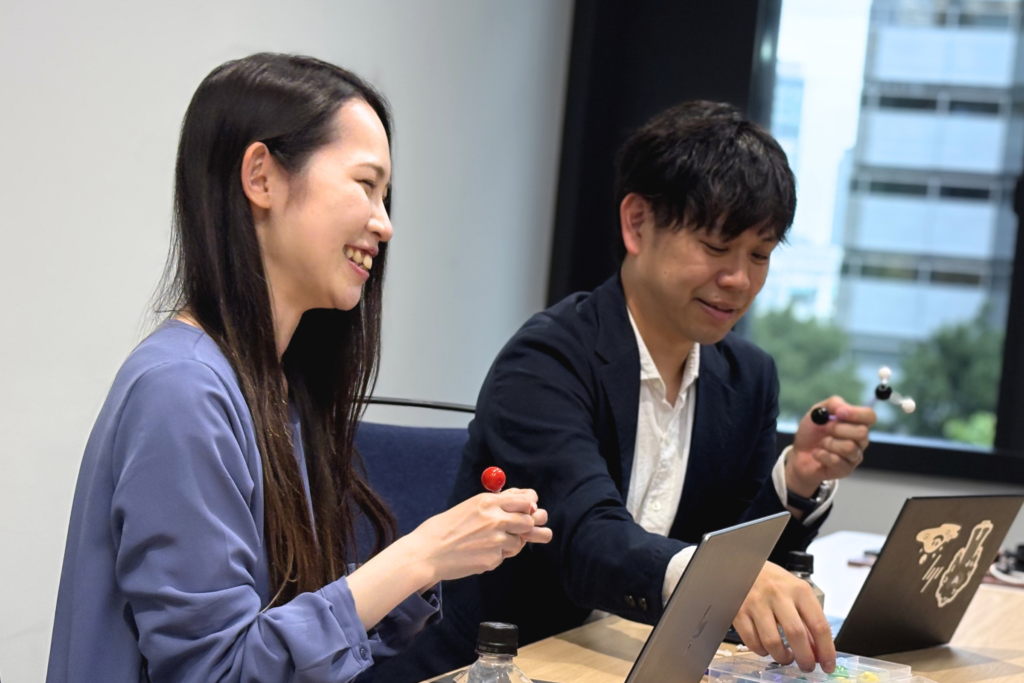
LightPFP Expanded What We Can Simulate
Q. --Matlantis has become widely adopted within your organization. More recently, you've also started using LightPFP. In what kinds of applications are you using it?
Nomada:
As a manufacturing company, many of our products involve processing steps such as crimping, polishing, joining, and other complex manufacturing operations. To better understand the reactions occurring at material surfaces during these processes, we use PFP (Matlantis) to perform atomistic-scale reaction analysis.
While many manufacturing processes involve mechanical phenomena, chemical effects often play an equally important role. Understanding both aspects is essential. In that regard, PFP's universal potential makes it an extremely powerful tool for analyzing a wide variety of phenomena.
For relatively small systems, PFP has already proven to be highly effective.
However, real-world industrial problems are often much more complex. When we begin incorporating solvents, interfaces, or surrounding environments into our simulations, system sizes grow dramatically, creating practical limitations.
This is where LightPFP becomes particularly valuable. By enabling the construction of lightweight, application-specific potentials, LightPFP allows us to simulate systems that are tens of times larger than those typically handled with PFP alone. For the complex manufacturing processes we study, this directly addresses one of our most significant challenges.
When multiple physical and chemical factors interact simultaneously, having access to a tool of this scale is tremendously valuable. It feels as though a major constraint has been removed, fundamentally expanding what we can simulate and understand.
Takakuwa:
Sumitomo Electric develops many assembly products and composite materials. As a result, we rarely focus on a single material in isolation. Instead, we must consider processes such as joining dissimilar materials, thermocompression bonding, and other manufacturing operations as part of the overall system.
From that perspective, LightPFP is an excellent fit for our needs.
At the same time, Matlantis has become deeply embedded within our organization, which has led researchers to ask for even more. We increasingly hear requests such as, "Can we make it faster?" or "Can we simulate larger systems?"
As a result, expectations for LightPFP are extremely high. Researchers frequently ask to try it, and I often receive requests such as, "Could we temporarily use a LightPFP license for this project?" Recently, demand has become so high that I sometimes feel like a license allocation manager rather than a researcher (laughs).
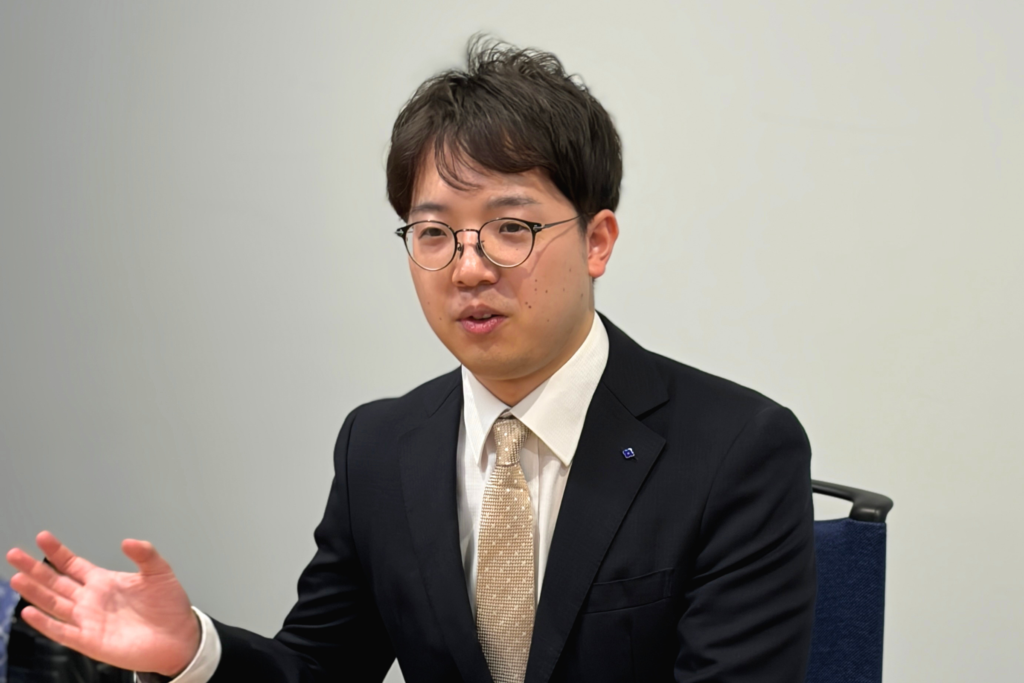
Iori Imaizumi, Optical Communications Laboratory,Optical Transmission Media Department. Formerly a member of the MI/PI Promotion Group, he was involved in promoting Matlantis adoption across the company and now applies these technologies directly within research projects.
Building Hypotheses and Understanding Structure with Descriptors
Q. --You have also been using PFP Descriptors, which were released in 2025. What kinds of applications are you exploring?
Nomada:
We use PFP Descriptors to generate feature representations for predicting material properties.
Looking ahead, we believe these features can also be used to build predictive models that help identify entirely new materials with improved properties. The possibilities are extremely exciting.
By applying techniques such as factor analysis and visualizing the dominant feature components, it becomes easier to understand which structural characteristics contribute to desirable properties and to formulate new hypotheses for materials design.
In that sense, Descriptors play an important role not only in predictive modeling but throughout the broader research and development process—from hypothesis generation to validation.
Many members of our team are also using Descriptors. One of the features they value most is the ability to incorporate information about the surrounding atomic environment into the representation. Because that information can be extracted in a practical and accessible form, adoption has been very positive.
Imaizumi:
We primarily use PFP Descriptors for tasks such as local structure analysis, similarity evaluation, and clustering.
Traditional structural analysis relies on human-defined descriptors such as bond lengths, bond angles, coordination numbers, and radial distribution functions (RDFs). PFP Descriptors provide a different perspective by representing local atomic environments in a high-dimensional feature space, allowing us to identify structural differences that may be difficult to recognize through conventional approaches.
While Descriptors are often used for structural classification, I believe their value extends far beyond categorization. They have the potential to support more advanced analyses, such as identifying local environments where chemical reactions or adsorption events are likely to occur, or uncovering structural features that negatively affect material properties.
For example, by collecting Descriptors associated with adsorption sites or reaction sites and analyzing them within feature space, we can investigate the relationship between local structure and reactivity. This knowledge can then be used to identify promising candidates from a large number of structures before performing computationally expensive simulations.
In simulation-driven research, the key challenge is determining where to invest computational resources most effectively. In that sense, Descriptors provide a powerful way to extract meaningful patterns from large volumes of structural data, helping researchers focus on the calculations that are most likely to generate value.
Q. --We understand that adoption is growing across the company. What are you doing to expand the use of Matlantis, and what do you think distinguishes people who are able to use it effectively from those who struggle with it?
Takakuwa:
The number of users has certainly been increasing.
At the same time, using Matlantis effectively is not as straightforward as it may seem. Some researchers use it as part of their daily workflow, while others only turn to it when a specific need arises. As adoption has grown, the differences between these groups have become more apparent.
To support users, we run three-day training workshops and provide follow-up sessions on a weekly basis. We start by understanding what researchers are trying to achieve and then work with them to determine how Matlantis can help address those challenges.
Of course, there are individual differences. Some people quickly learn new techniques through self-study and experimentation, while others require more time and support. Ultimately, I believe success depends largely on curiosity, persistence, and the amount of time someone is willing to invest.
What often makes the biggest difference is the ability to think critically about the problem itself.
When modeling materials, we need to formulate hypotheses, determine how those hypotheses can be tested, and identify which aspects of a system must be modeled to capture the essential physics and chemistry.
In the end, effective use of these tools depends on how deeply we understand materials and phenomena at the atomic scale.
This is especially important with technologies like Matlantis that can handle large and complex systems. Without a solid understanding of the underlying science, it becomes easy to generate inconsistent results or build conclusions on weak assumptions.
Researchers who can clearly define their objectives, select appropriate methods, and organize their work accordingly tend to become proficient very quickly. In many cases, people with strong fundamental research skills naturally adapt well to these tools.
The Future of R&D: Collaboration Between AI and Humans
Q. --You have spoken about returning to the principle of "winning through technology." Looking ahead, what role do you think simulation will play in achieving that vision?
Takakuwa:
I believe the area between materials discovery and large-scale manufacturing will increasingly become a competition between research and development platforms.
The platform I envision integrates simulation, automated experimentation, human expertise, and AI into a single ecosystem. Companies will increasingly build orchestration systems that learn from diverse sources of data, coordinate workflows, and support decision-making across the entire R&D process.
In particular, I see strong synergy between LLMs and simulation. Researchers formulate hypotheses, simulations generate results, and those results lead to new hypotheses. This closed-loop cycle of learning and discovery is already beginning to emerge.
Matlantis is exceptionally well positioned for this future. Over time, I expect it will be used not only through direct interaction in environments such as JupyterLab, but also as part of larger AI-driven workflows connected to external systems and automated processes.
A future that fully integrates automated experimentation and AI for Science may still be some distance away, but the direction is already becoming clear.
The act of running calculations may gradually shift from humans to AI. However, interpreting results, defining objectives, and deciding what questions are worth pursuing will remain fundamentally human responsibilities.
Within this new research environment, where humans and AI work together, simulation will become an increasingly important component of the innovation process.
Sumitomo Electric Industries, Ltd.
Head office address: 4-5-33 Kitahama, Chuo-ku, Osaka City (Sumitomo Building)
- Website: https://sumitomoelectric.com/jp/

Publication date of this case study: 2026.07.21
-


 URL
URL
Copied
what's new

Accelerating MOF Candidate Selection for Commercialization: Simulation-Driven Materials Discovery at Atomis
Atomis, Inc. Chemicals (Porous materials/MOF/PCP)
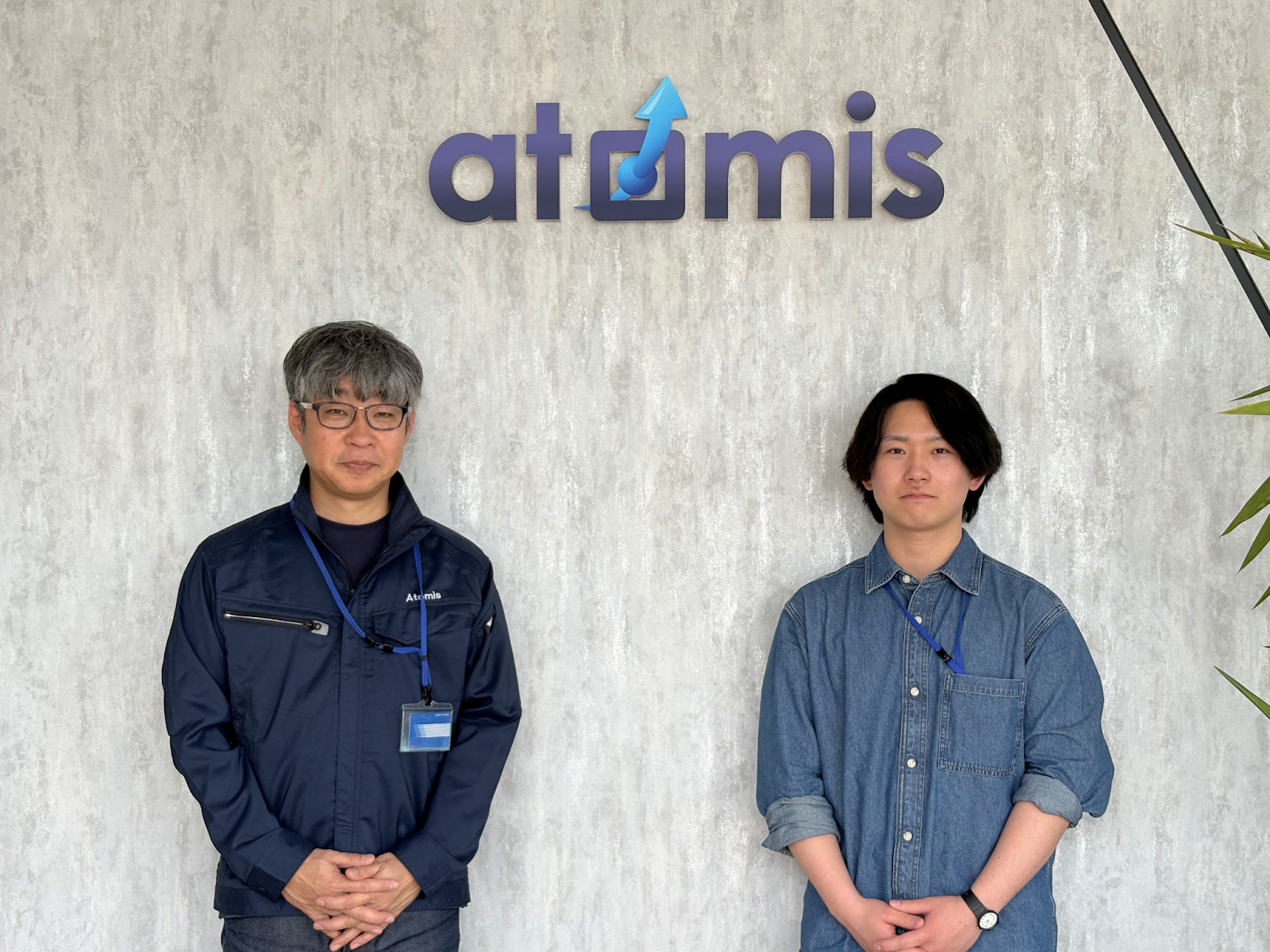
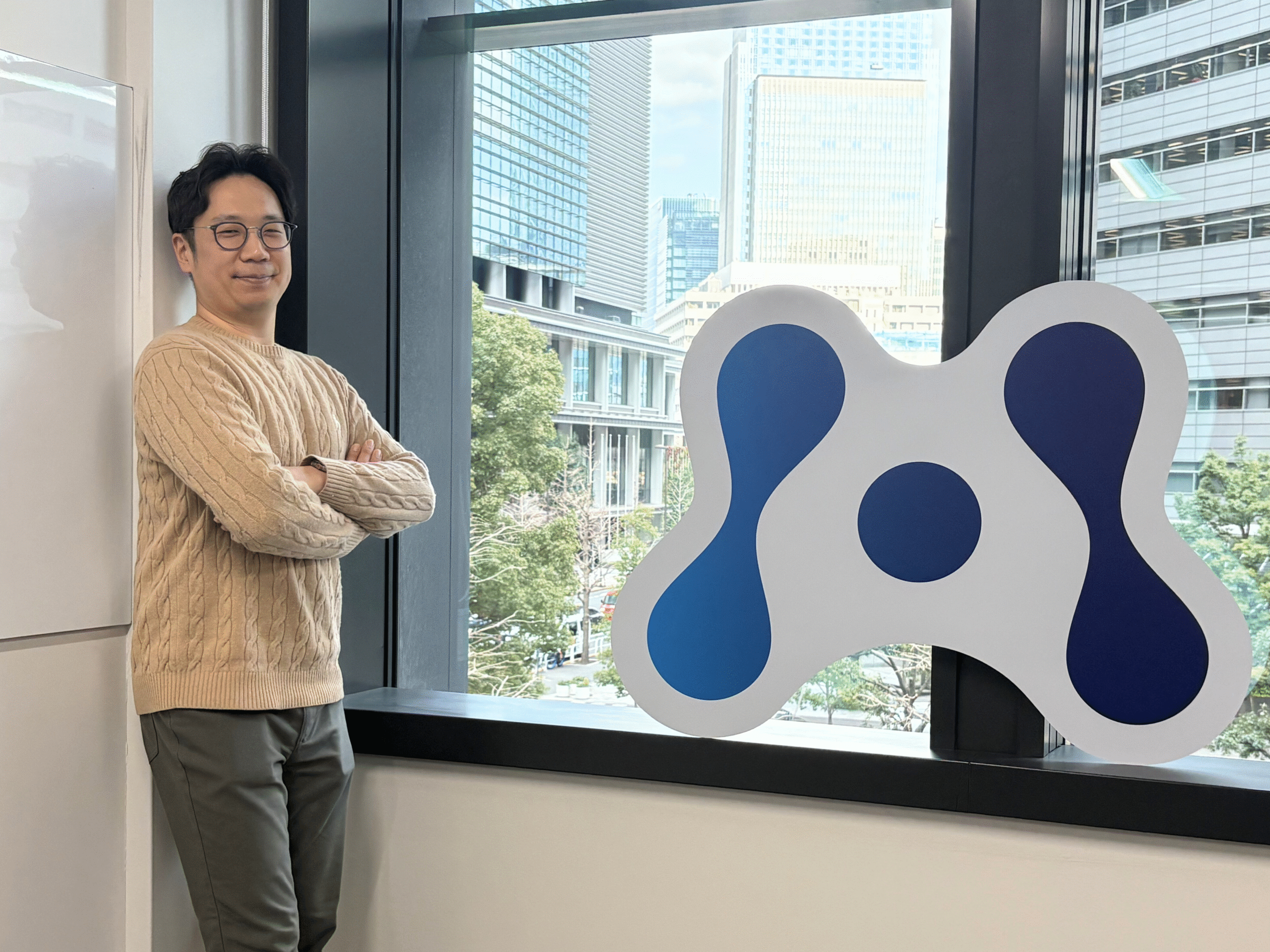
Seoul National University/CCEL
Where to Position Matlantis Among Computation, Experiment, and Machine Learning Research Design for Materials Discovery — Insights from CCEL at Seoul National University
Seoul National University, CCEL (Computational Catalysis and Emerging Materials Lab)Academia

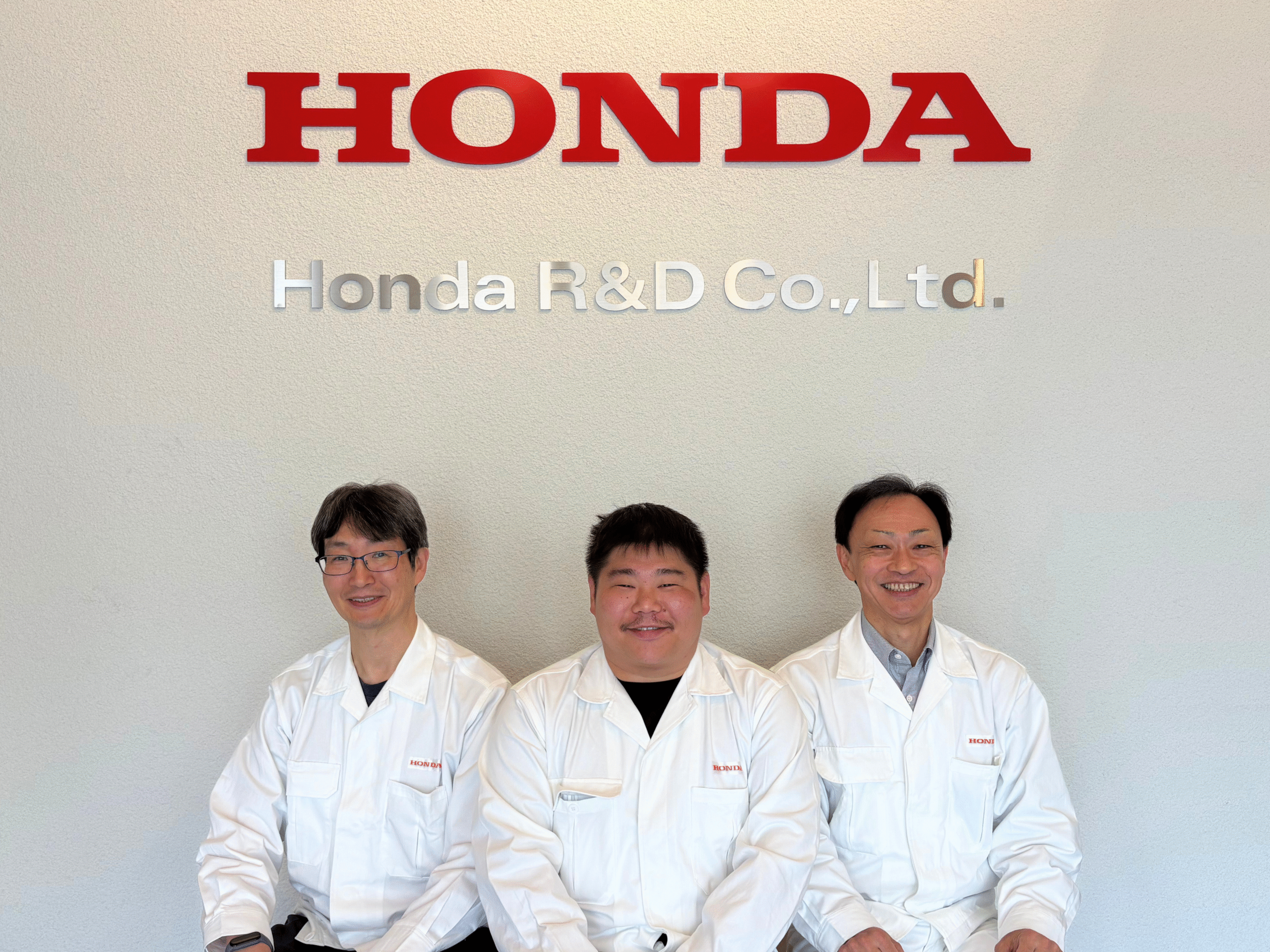
Computation Guides, Experimentation Tackles. Accelerating Research at Honda with Matlantis
Honda R&D Co., Ltd.Research and Development (Transportation Equipment and Advanced Technology)
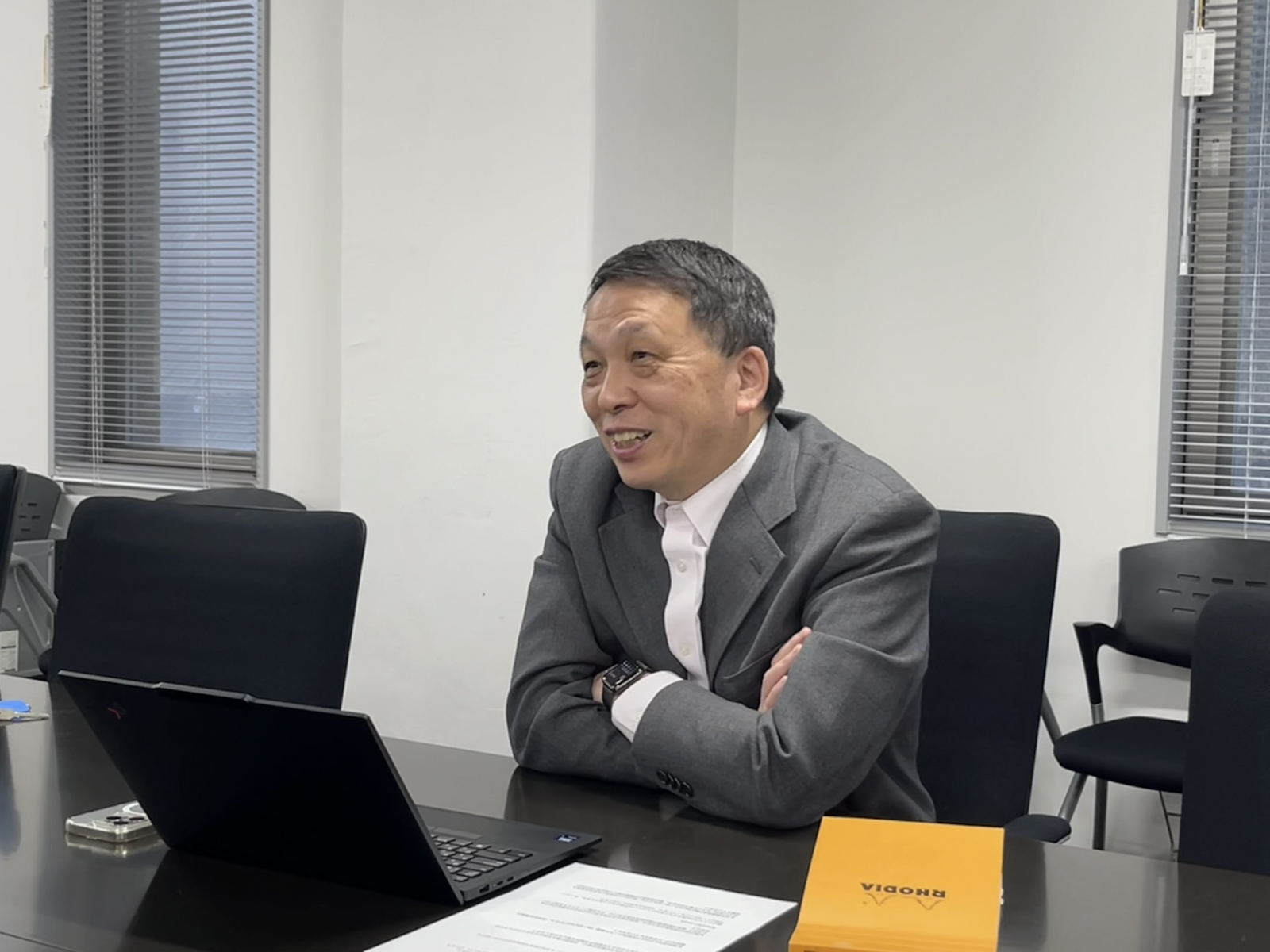
Shimogaki Laboratory, The University of Tokyo
Prof. Shimogaki of the University of Tokyo talks about two "Before and Afters" with Matlantis: The new research style transforming surface reaction research and education
University of Tokyo, Shimogaki LaboratoryAcademia

Verification period shortened from 2-3 years to 1.5 months after Matlantis. Significant enhancement in speed and efficiency of development processes with computation.
Kuraray Co., Ltd.Chemicals