Analysis of the Ozone Oxidation Reaction Mechanism of Rubber Antidegradants
Theme Overview
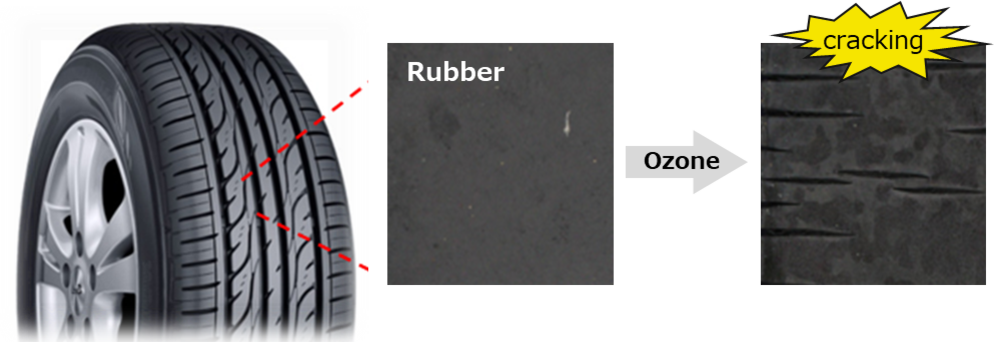
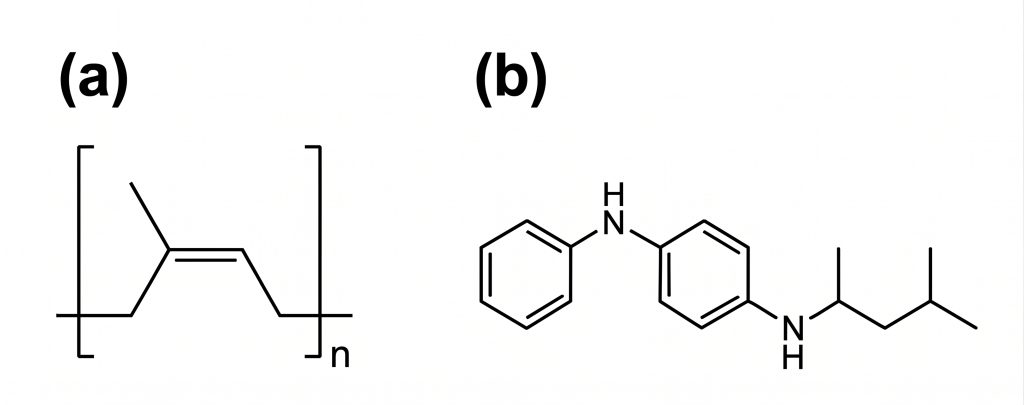
Rubber products such as those made from natural rubber suffer from ozone-induced degradation, which causes deterioration of physical properties and the formation of cracks (Fig. 1, Fig. 2(a)). [1] To address this, ozone-scavenging antidegradants — additives that capture and consume ozone by reacting with it preferentially — are widely used. A representative example is 6PPD (N-(1,3-dimethylbutyl)-N′-phenyl-p-phenylenediamine)(Fig. 2(b)) [2][3]
Ozone-scavenging antidegradants react with ozone before the rubber does, being converted into a variety of oxidation products and thereby suppressing ozone-induced degradation of the rubber.
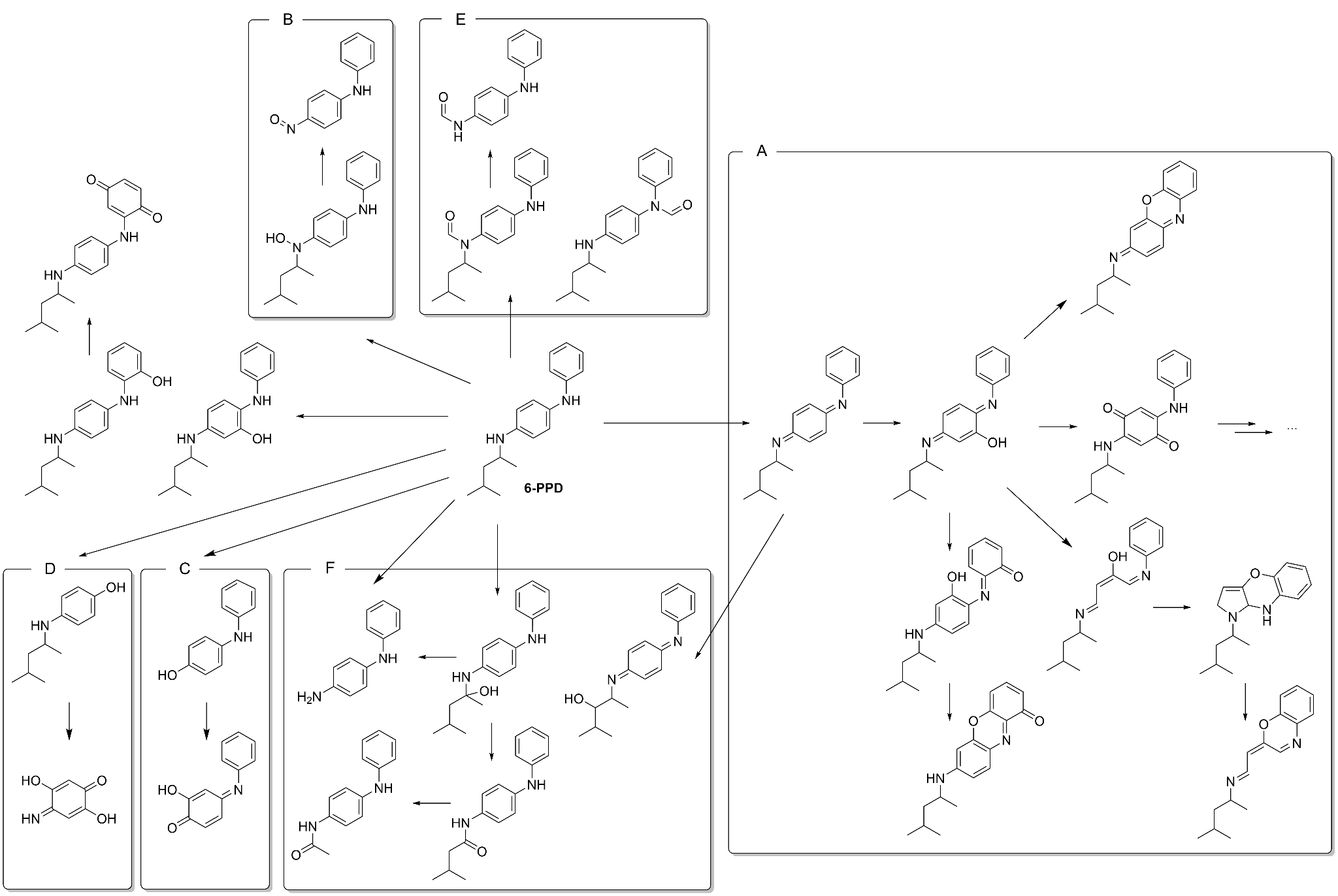
Although a wide range of oxidation products has been identified experimentally for 6PPD (Fig. 3)[4], the mechanism of the ozone oxidation reaction of antidegradants remains insufficiently understood. Elucidating this mechanism is expected to contribute to the development of high-performance, long-life rubber materials.
In this case study, GRRM20 with Matlantis[5] was used to search for reaction pathways between an ozone-scavenging antidegradant and ozone, in an attempt to elucidate the underlying reaction mechanism.
Calculation Models and Methods
Calculation Models and MethodsReaction pathway search: SC-AFIR[6-8]/PFP v7.0.0, γ=150
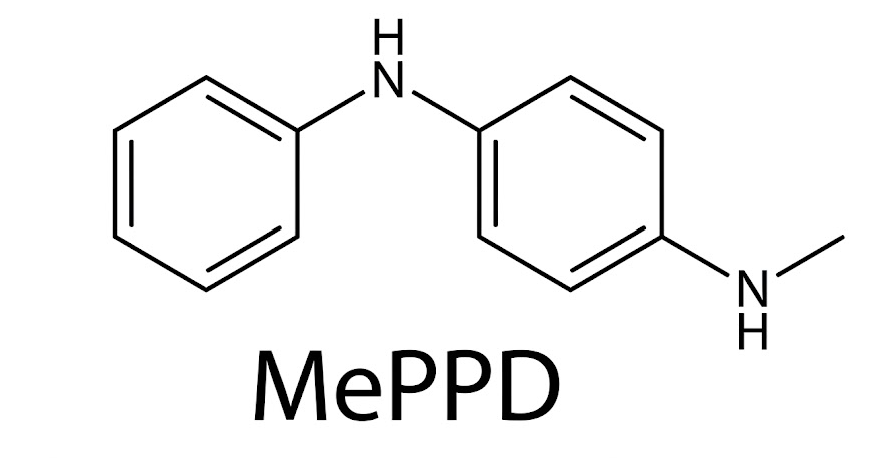
Initial structure: MePPD (N-methyl-N′-phenyl-p-phenylenediamine; Fig.4), a model compound of 6PPD, and one ozone molecule
Results and Future Work
| Items | Number |
| Equilibrium structures (EQs) | 836 |
| Path tops (PTs) | 2106 |
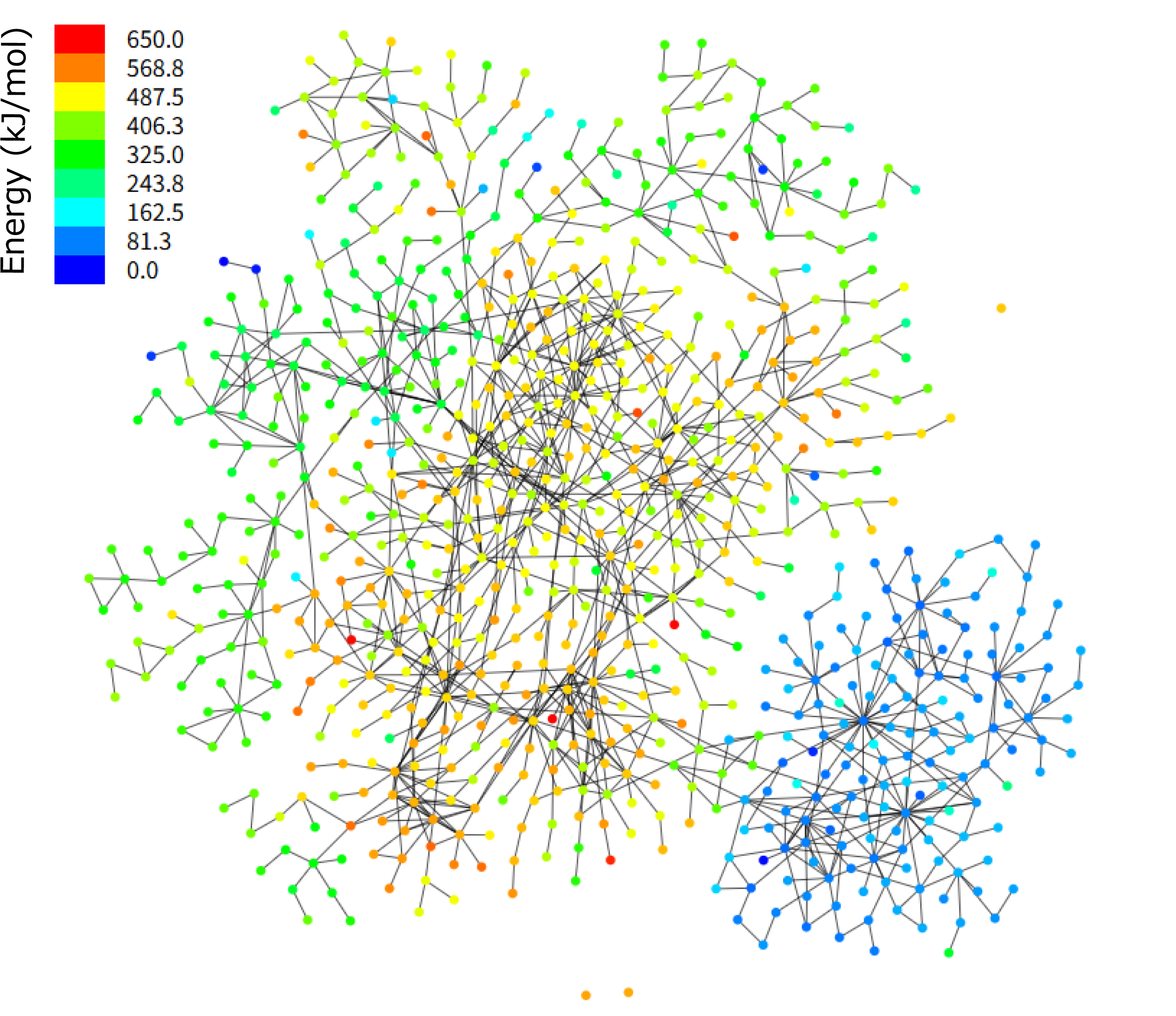
The reaction pathway search revealed a wide variety of reaction pathways that can arise when the antidegradant scavenges ozone (Fig. 5, Table 1). The main pathways among the wide variety that can occur when the antidegradant scavenges ozone are summarized in Table 2.
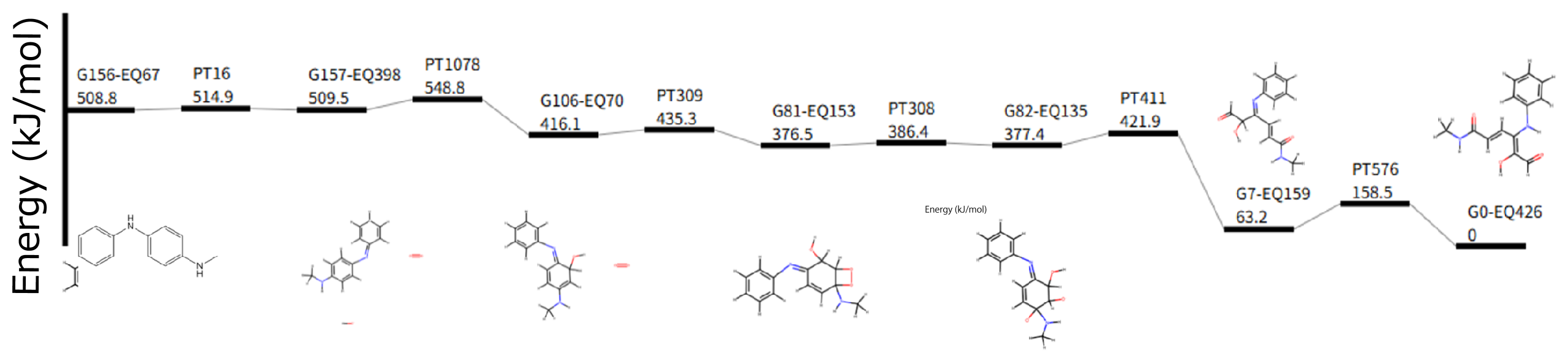
Among these, the most favorable pathway was found to be cleavage of the central benzene ring of the antidegradant by ozone, which has the lowest activation energy (40.0 kJ/mol) and is the most exothermic (−508.8 kJ/mol) (Fig. 6). This finding is consistent with the experimental results reported in a previous study[4]. In that study, most of the pathways remained tentative; the present calculations provide activation energies and reaction enthalpies for the main pathways, making it possible to compare how readily they proceed.
Based on the insights obtained here, we plan to proceed with the materials design of higher-performance antidegradants.
| Path | Reaction | Product | Reaction enthalpy [kJ/mol] |
Activation Energy [kJ/mol] |
|---|---|---|---|---|
| Path A | Quinoid formation | 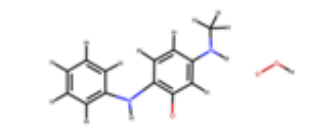 |
-232.7 | 43.7 |
| Five-membered ring formation | 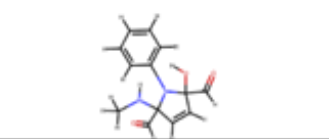 |
-360.6 | 68.7 | |
| Central benzene ring cleavage | 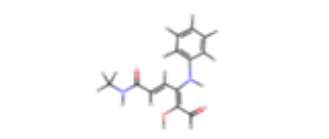 |
-508.8 | 40.0 | |
| Path B | Ozone scavenging at the amino group | 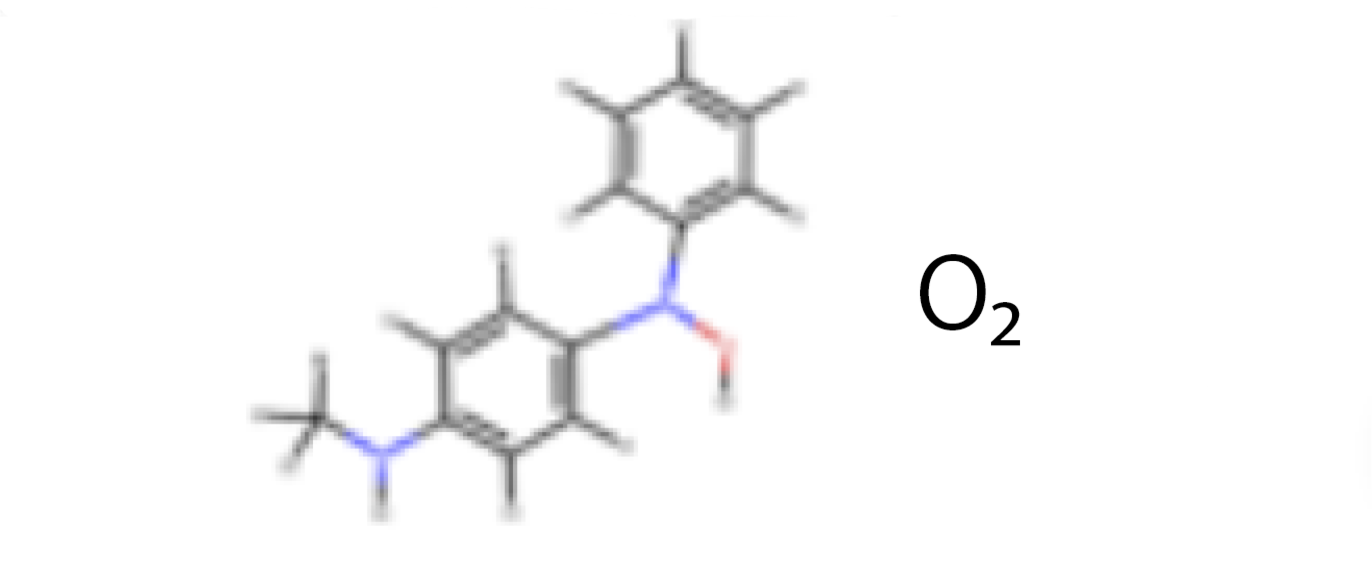 |
-64.6 | 69.7 |
| Path F | Ozone scavenging at the alkyl group | 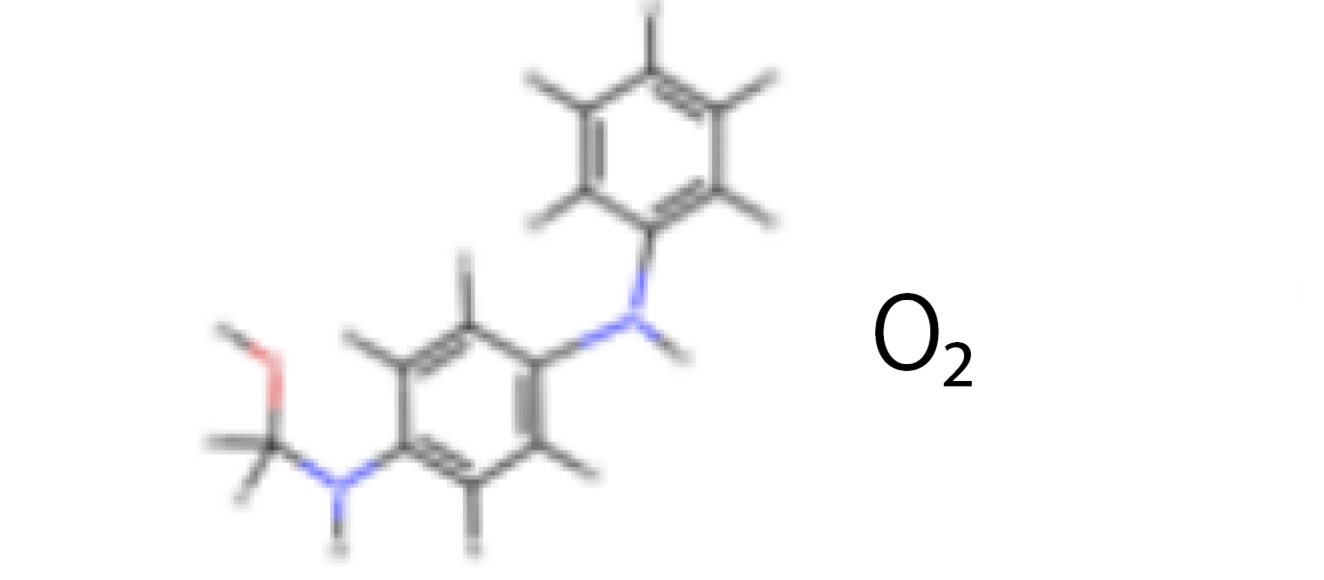 |
-213.4 | 72.4 |
| Path C | Alkyl group elimination | 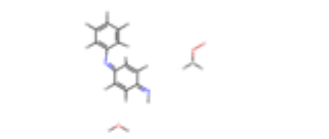 |
-23.7 | 86.3 |
| Path D | Dissociation into two anilines | 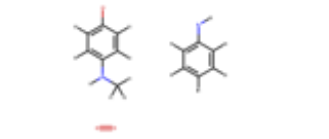 |
-44.1 | 89.5 |
Computational Details
| Items | Details |
| PFP | v7.0.0 |
| Number of atoms | 32 |
| Constituent elements | H,C,O,N |
| Principal GRRM Options | Gamma=150.0、NRUN = 200 Note: Specified under the SC-AFIR options |
Specified under the SC-AFIR options (details).
Options
SaveDataInDirectory
NRUN=200
DownDC=14
RandDC=14
Add Interaction
Gamma=150.0
END
AddUniversalForce=100.0
ReadBareEnergy
Opt = Redundant
TrafficVolumeCheck
TimeScale=0.00100
Siml_temperature=250.0 300.0 350.0
rTemperature=10000.0
Clustering=BondConnectivity
MinFreqValue=50.0
MatchDecScale=3.0 16.0
EQOnly
KeepLUPPath
sublink = ./kickpfp.py
References
[1] Ando, S., Fukamachi, S., Antioxidants, Nippon Gomu Kyokaishi, 82, 45–49 (2009) (in Japanese).
[2] Yamaki, D., Amine Antioxidants, Nippon Gomu Kyokaishi, 91, 442–446 (2018) (in Japanese).
[3] Otomo, S., Improvement of the Ozone Resistance of Rubber Vulcanizate Using Antidegradant, Nippon Gomu Kyokaishi, 87, 284–291 (2014) (in Japanese)..
[4] Seiwert, B.; Nihemaiti, M.; Troussier, M.; Weyrauch, S.; Reemtsma, T., “Abiotic Oxidative Transformation of 6-PPD and 6-PPD Quinone from Tires and Occurrence of Their Products in Snow from Urban Roads and in Municipal Wastewater”, Water Research, 212, 118122 (2022).
[5] Maeda, S.; Ohno, K.; Morokuma, K., “Systematic Exploration of the Mechanism of Chemical Reactions: The Global Reaction Route Mapping (GRRM) Strategy using the ADDF and AFIR Methods”, Phys. Chem. Chem. Phys., 15, 3683–3701 (2013).
[6] Maeda, S.; Harabuchi, Y., “Exploring Paths of Chemical Transformations in Molecular and Periodic Systems: An Approach Utilizing Force”, WIREs Comput. Mol. Sci., 11, e1538 (2021).
[7] Maeda, S.; Taketsugu, T.; Morokuma, K., “Exploring Transition State Structures for Intramolecular Pathways by the Artificial Force Induced Reaction Method”, J. Comput. Chem., 35, 166–173 (2014).
[8] Maeda, S.; Harabuchi, Y.; Takagi, M.; Taketsugu, T.; Morokuma, K., “Artificial Force Induced Reaction (AFIR) Method for Exploring Quantum Chemical Potential Energy Surfaces”, Chem. Rec., 16, 2232–2248 (2016).
Profile of the case study provider
DUNLOP (Sumitomo Rubber Industries, Ltd.)

Publication date of this case study: 2026.09.29
-


 URL
URL
Copied
what's new
Interfacial Thermal Resistance Calculation at a Metal–Polymer Interface
Interfacial Thermal ResistanceSemiconductorAdhesive Materials
High-Accuracy, High-Speed Binding Energy Evaluation of Cyclin-Dependent Kinase 2 Inhibitors
Bio and Pharma
Data-Driven Method for Discovering Low Adsorption Energy Molecules on Si Surfaces
ScreeningMaterials InformaticsSemiconductors
Calculation and Verification of Methanol Synthesis Catalysts
Methanol synthesis catalystsLarge-scale screening
Direct Derivation of Atomic Displacement Parameters Using NNP-MD
Atomic Displacement ParametersThermoelectric Materials