
Blog
We provide easy-to-understand explanations of Matlantis terminology and the latest technology trends from an expert's perspective. We deliver information that will help you solve your problems and make new discoveries.
Editor’s PICK
How Do Materials Engineers in Japan View Computational Chemistry and Materials Informatics? – A survey of 82 R&D professionals reveals a gap that splits the field in two

"To contribute to the creation of innovative materials and realize a sustainable world." This is the mission of Matlantis. We believe that the creation of new materials is essential for the sustainable development of humankind, and that to achieve this, it is necessary to accelerate discovery by making full use of the power of computation, including computational chemistry and AI.
Materials Informatics computational chemistry
The Lab Is (Not) All You Need: Why autonomous laboratories make atomistic simulation more valuable, not less

Picture a laboratory at 3 am where the lights are on, but no one is there. A robotic arm lifts a crucible from a furnace and carries it to an X-ray diffractometer. Software reads the diffraction pattern, decides the run missed its target, adjusts the recipe, and queues the next attempt. By morning, the system has worked through more experimental iterations than a graduate student completes in a month,
Lab Automation Machine Learning Interatomic Potentials
Changing the rules of materials development with Physics-Grounded AI: how Matlantis PFP came to be

DFT calculations are the backbone of computational materials science: highly accurate, but notoriously expensive to run. Machine-learning interatomic potentials were meant to change that. Yet for a long time, each model could only handle a narrow, purpose-built slice of chemistry. The breakthrough that finally reconciled accuracy with generality is Matlantis PFP, a proprietary AI model with world-leading performance.
Interview

Micro-Physical AI: Another invisible form of physical AI and the future of materials development

What is Physical AI? Current LLMs (Large Language Models) learn about the world from text. Through this, they incorporate the knowledge accumulated by humans so far and are already having a major impact on the world. However, to borrow Plato's words, text is merely a "shadow" of reality. Text only records a portion of what humans have been able to verbalize, and the overwhelming majority of phenomena occurring in the physical world have not yet been turned into words.
CEO Blog
AI pioneers materials development through computational chemistry

This article is a blog post based on an article written by Zhang, Customer Success Engineer Matlantis Corporation, which was published in the February 2026 issue of the technical magazine "Monthly Material Stage" in the special feature "Improving the Efficiency of Materials Development Using AI and Automated Experiments." 1. Materials Development to Date Our lives have been enriched by numerous innovative materials. However,
DFT Molecular Dynamics Machine Learning Interatomic Potentials Explainer
Featured Tags
Blog article list
A new model for doctoral education pioneered through industry-academia collaboration: A "new pilot case" demonstrated by Institute of Science Tokyo and Taiyo Yuden Practice School
Interview
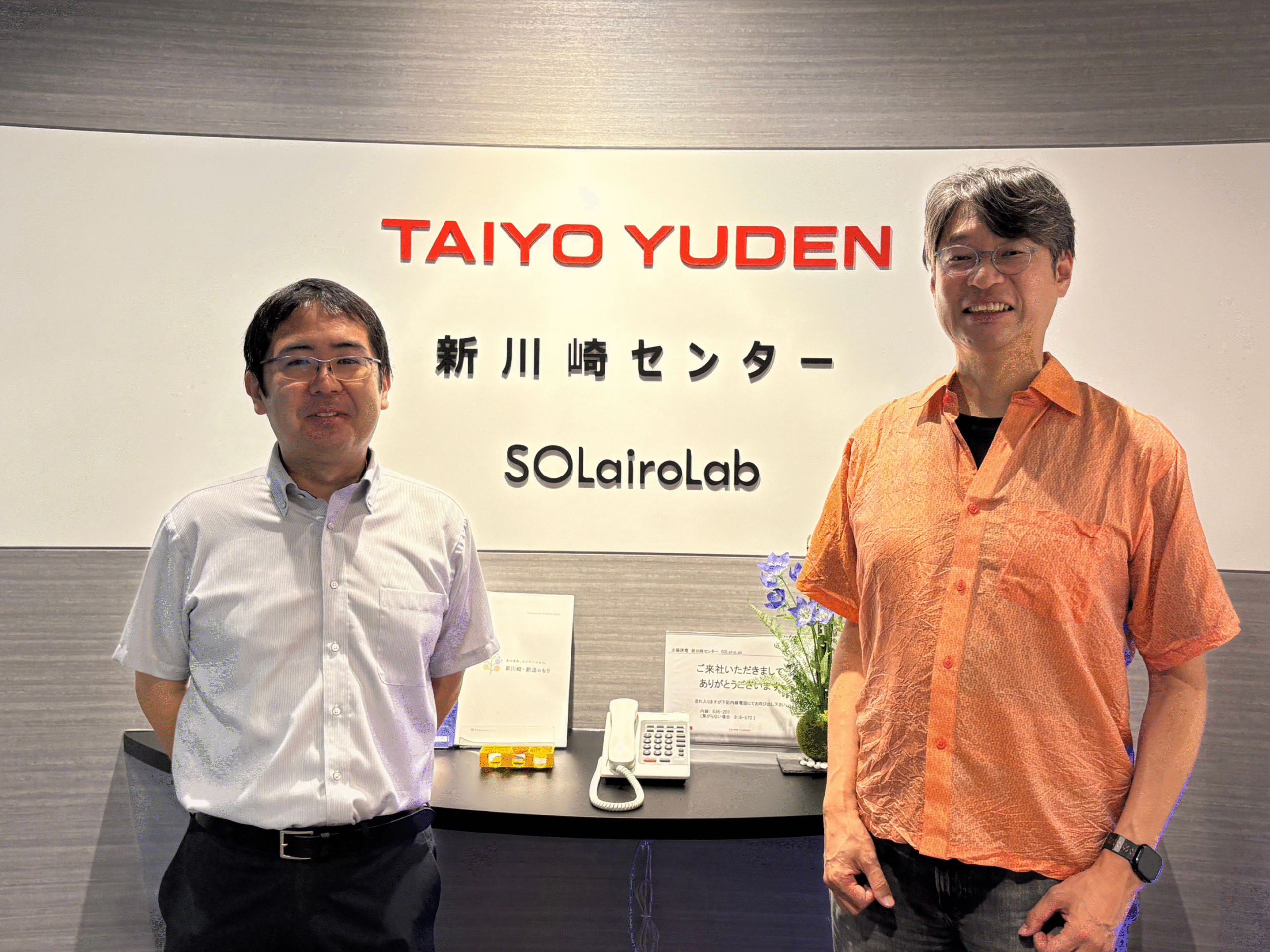
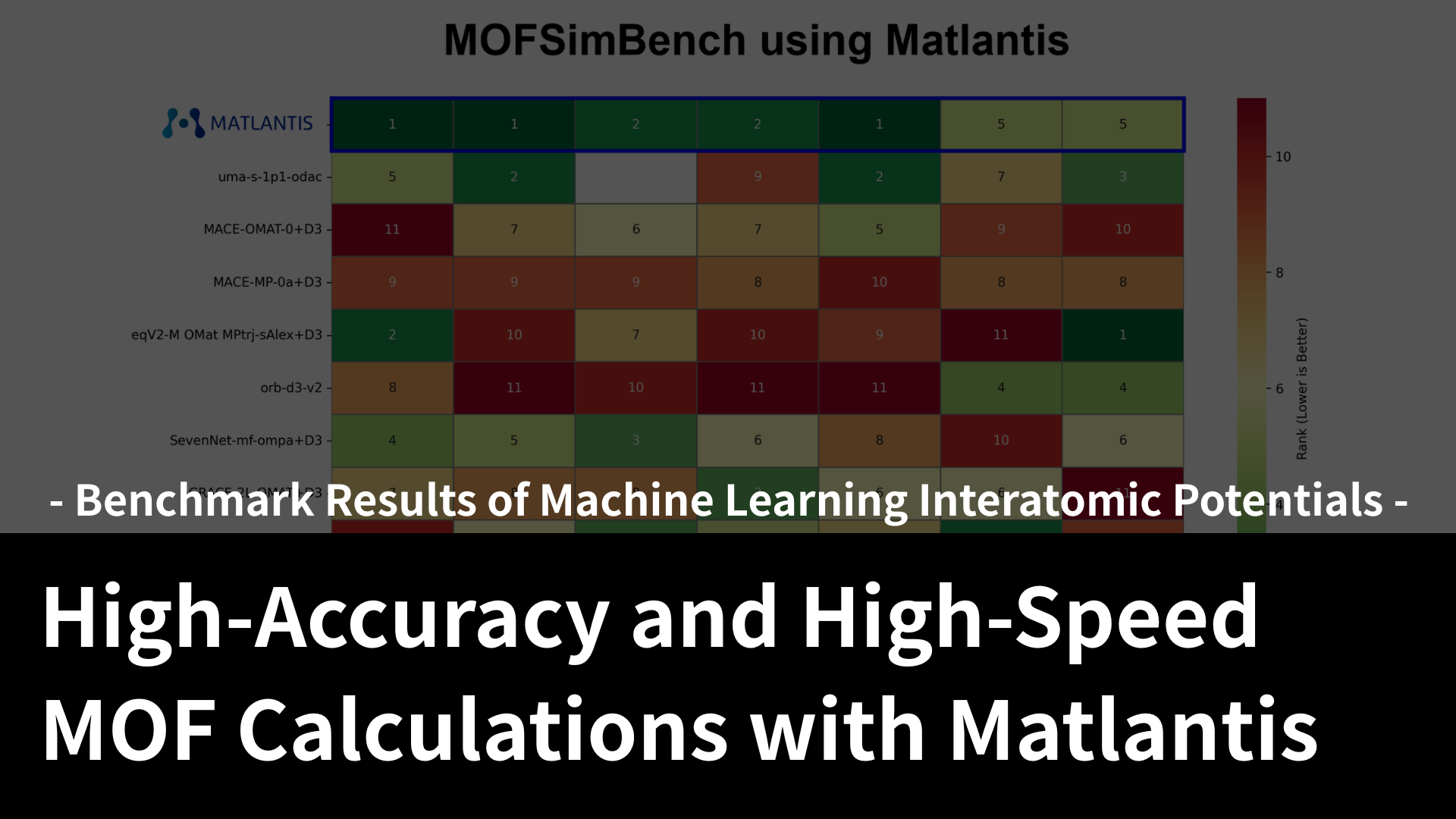
High-Accuracy and High-Speed MOF Calculations with Matlantis - Benchmark Results of Machine Learning Interatomic Potentials -

Explainer computational chemistry
Presentation given at the 86th The Japan Society of Applied Physics autumn meeting 2025
Conference Report

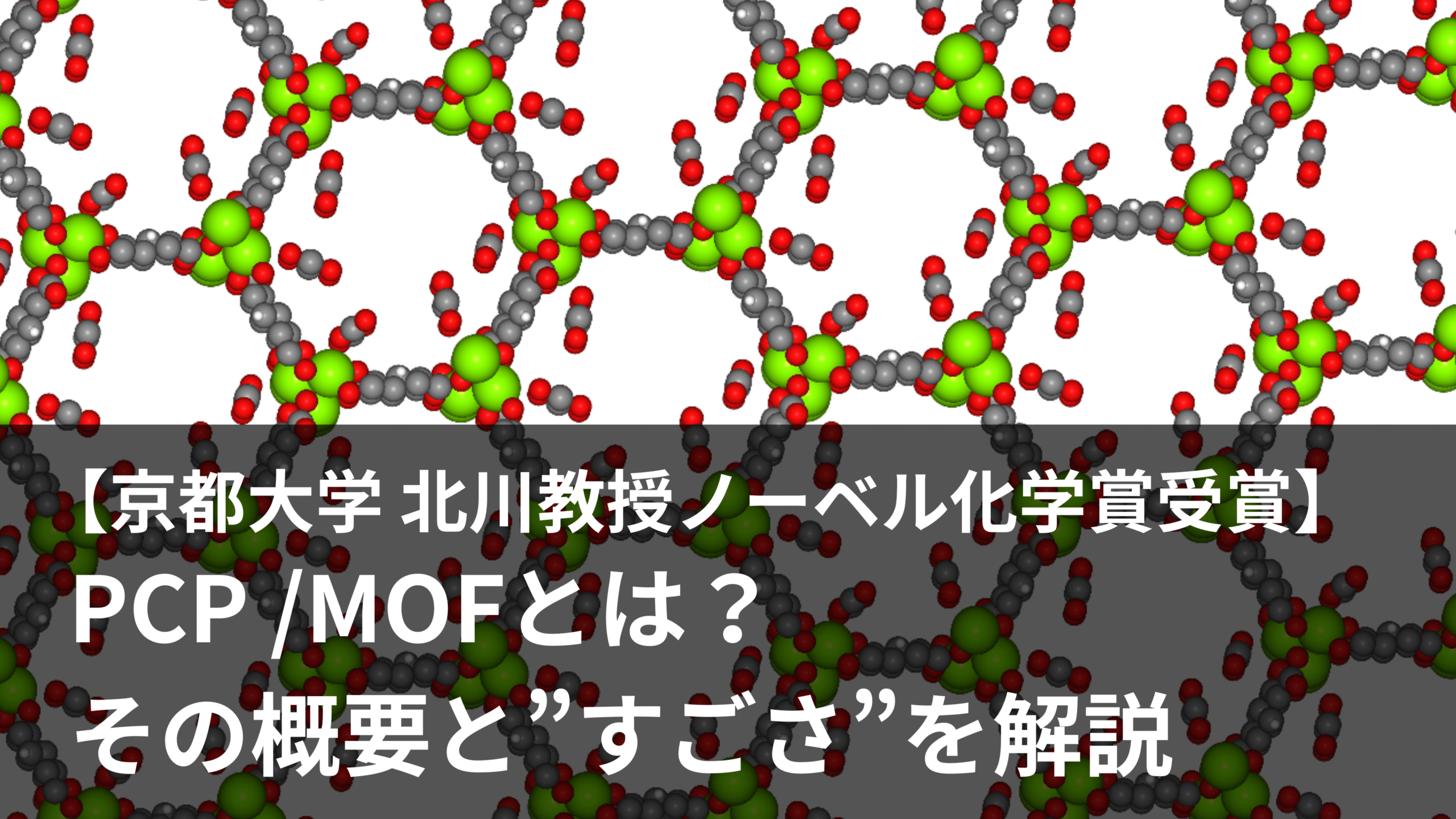
[Kyoto Univ. Prof. Kitagawa Wins the Nobel Prize in Chemistry]What is PCP / MOF? Explaining Their Impact and Significance

Explainer computational chemistry
The Future of Materials Science: Three Key Trends from ACS Fall 2025
Conference Report

[Event Report] Exhibited and presented at ACS Fall 2025
Conference Report

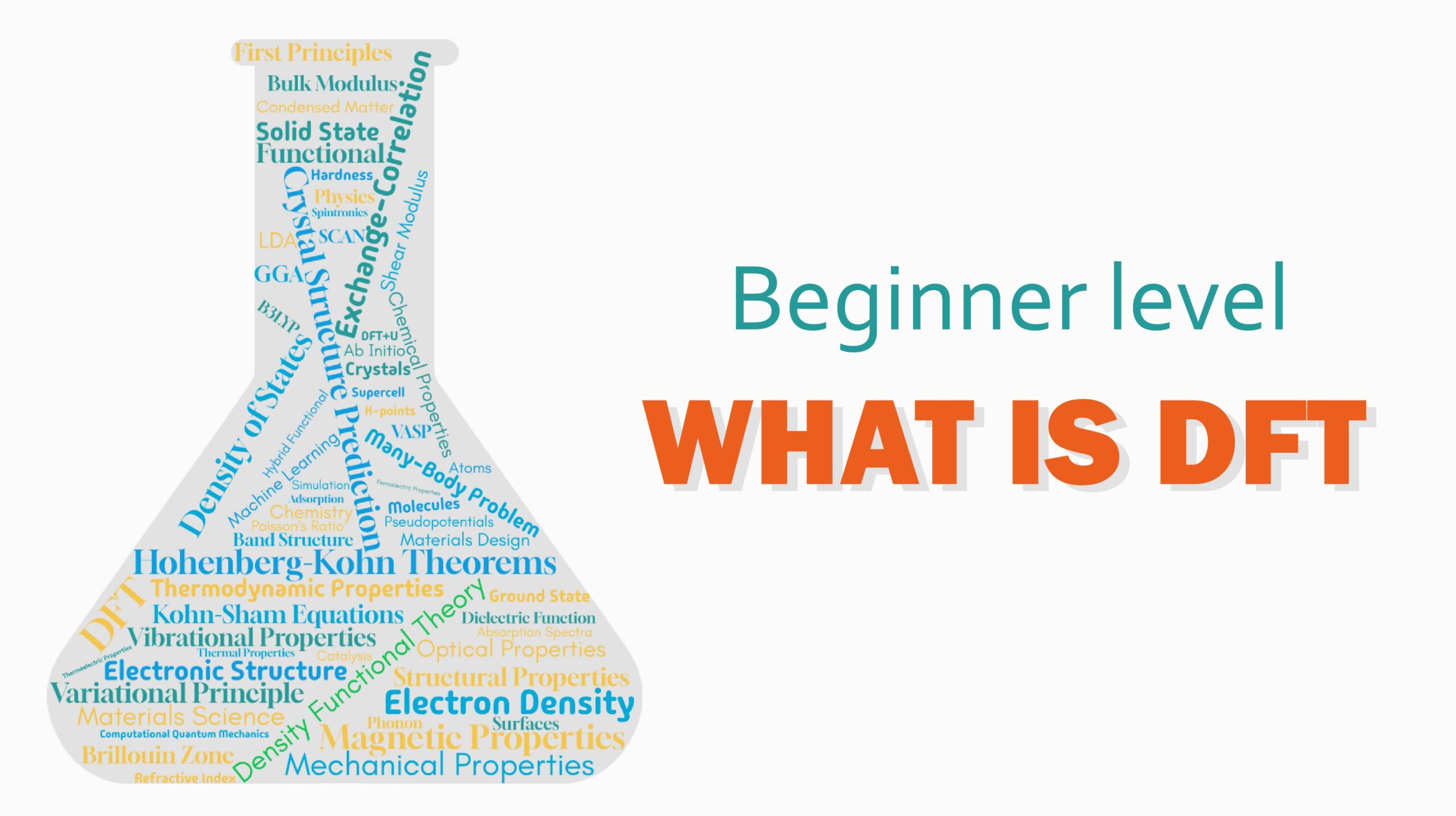
[For Beginners] What is Density Functional Theory (DFT)? | Basics

DFT Explainer Computational Chemistrychemistry
Molecular Dynamics Simulations for Materials and Molecule Discovery - From Fundamental to Emerging Trends-

MD Explainer Computational Chemistry
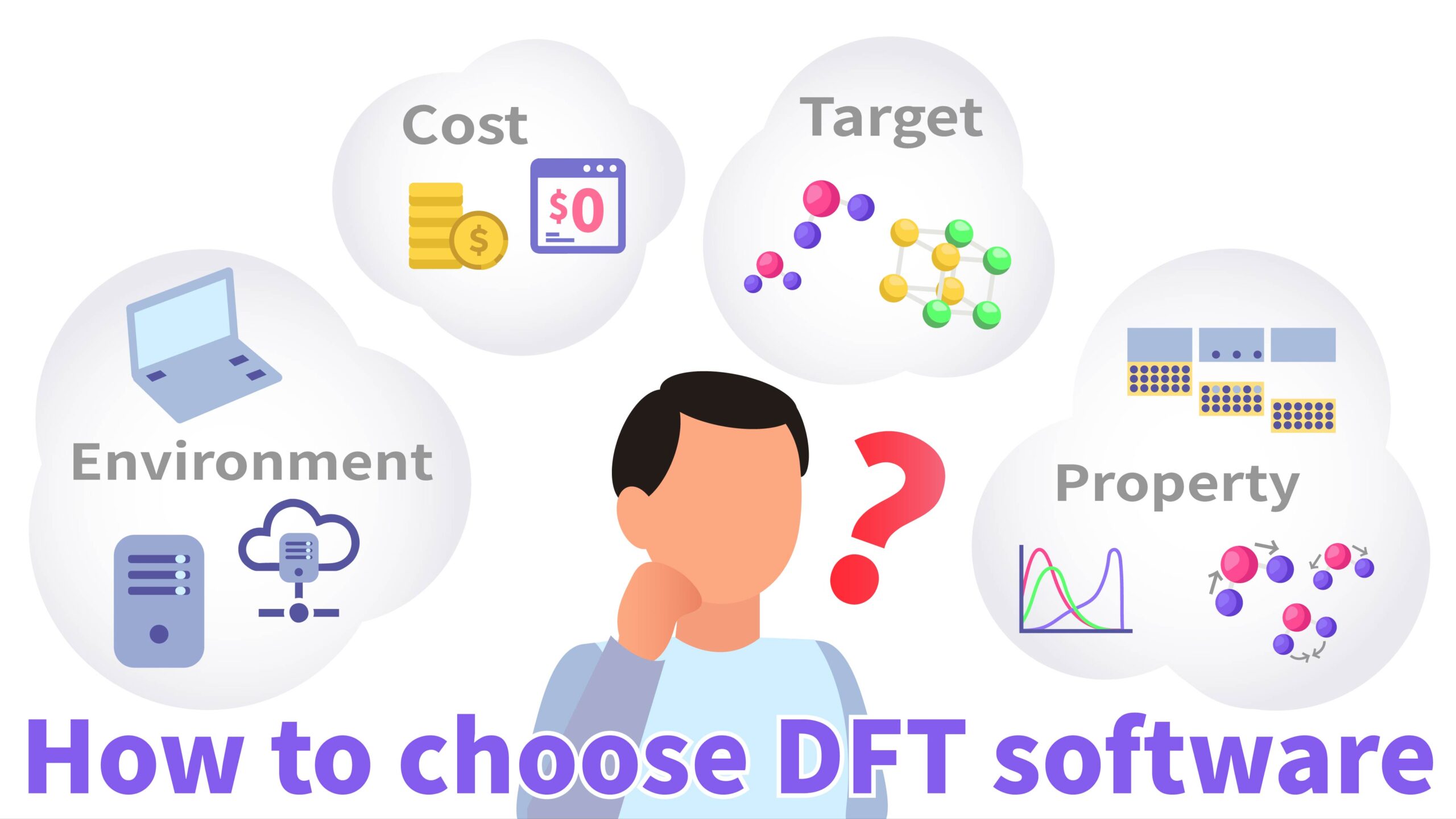
How to Choose DFT Software: Representative Software by Application and Implementation Steps
DFT Explainer Computational Chemistrychemistry
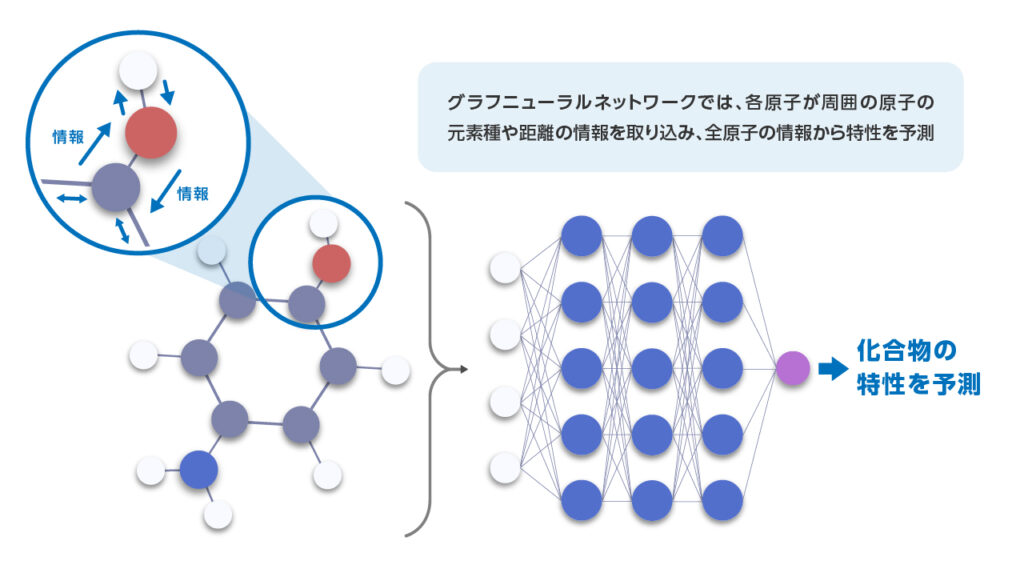
An Introduction to Materials Informatics: From Fundamental Concepts to Cutting-Edge Research.
Materials Informatics Explainer Computational Chemistry
Accelerating free energy calculations using molecular dynamics with the MN-Core 2 deep learning processor
Free energy estimation using a diffusion model
-


 URL
Copied
