
Blog
We provide easy-to-understand explanations of Matlantis terminology and the latest technology trends from an expert's perspective. We deliver information that will help you solve your problems and make new discoveries.
Editor’s PICK
How to Choose Molecular Dynamics (MD) Simulation Software: 6 Key Points and 14 Tools Compared

In the field of materials development, we often encounter atomic-level questions such as, "Why do ions diffuse so easily in this material?", "What is happening near the interface?", and "How do defects affect the properties?". A powerful tool for answering these questions is molecular dynamics (MD) simulation, which visualizes the movement of atoms and molecules through calculations.
Molecular Dynamics Explainer

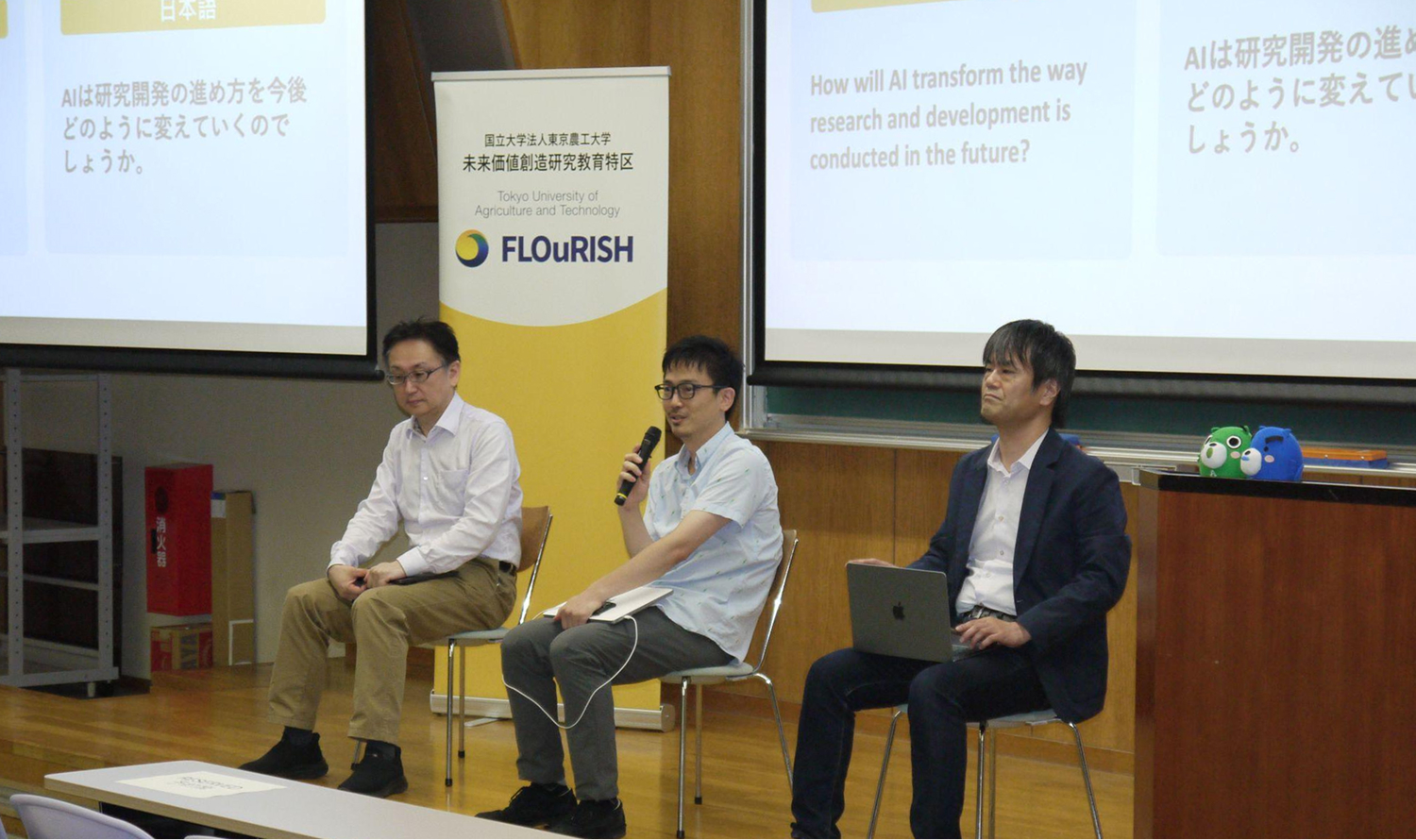
[Presentation Report] Tokyo University of Agriculture and Technology Doctor's Café #37 & AI Salon #14
"Interdisciplinary Innovation through AI ~Challenges to Sustainable Materials Development~" Event details: https://www.tuat-flourish.jp/topics/event/3832/ July 22, 2026, Tokyo University of Agriculture and Technology, Future Value Creation Research and Education Special Zone (FLOuRISH) presents "Doctor's Café #37 & AI Salon #14" (Kogane
Conference Report
Micro-Physical AI: Another invisible form of physical AI and the future of materials development

What is Physical AI? Current LLMs (Large Language Models) learn about the world from text. Through this, they incorporate the knowledge accumulated by humans so far and are already having a major impact on the world. However, to borrow Plato's words, text is merely a "shadow" of reality. Text only records a portion of what humans have been able to verbalize, and the overwhelming majority of phenomena occurring in the physical world have not yet been turned into words.
CEO Blog
What is the semiconductor manufacturing process? A thorough explanation of front-end processes such as film deposition, photoetching, and CMP from a materials simulation perspective.

Semiconductor devices are manufactured by forming nanoscale structures on silicon wafers. This involves repeating numerous processes such as film deposition, photolithography, etching, ion implantation, and planarization to create fine circuit structures on the wafer. In these manufacturing processes, the physical properties of the materials and the reactions occurring at the surface and interface significantly impact device performance and yield. In recent years, the micro-scale of devices has been a key factor.
Explainer computational chemistry
AI pioneers materials development through computational chemistry

This article is a blog post based on an article written by Zhang, Customer Success Engineer Matlantis Corporation, which was published in the February 2026 issue of the technical magazine "Monthly Material Stage" in the special feature "Improving the Efficiency of Materials Development Using AI and Automated Experiments." 1. Materials Development to Date Our lives have been enriched by numerous innovative materials. However,
DFT Molecular Dynamics Machine Learning Interatomic Potentials Explainer
Featured Tags
Blog article list
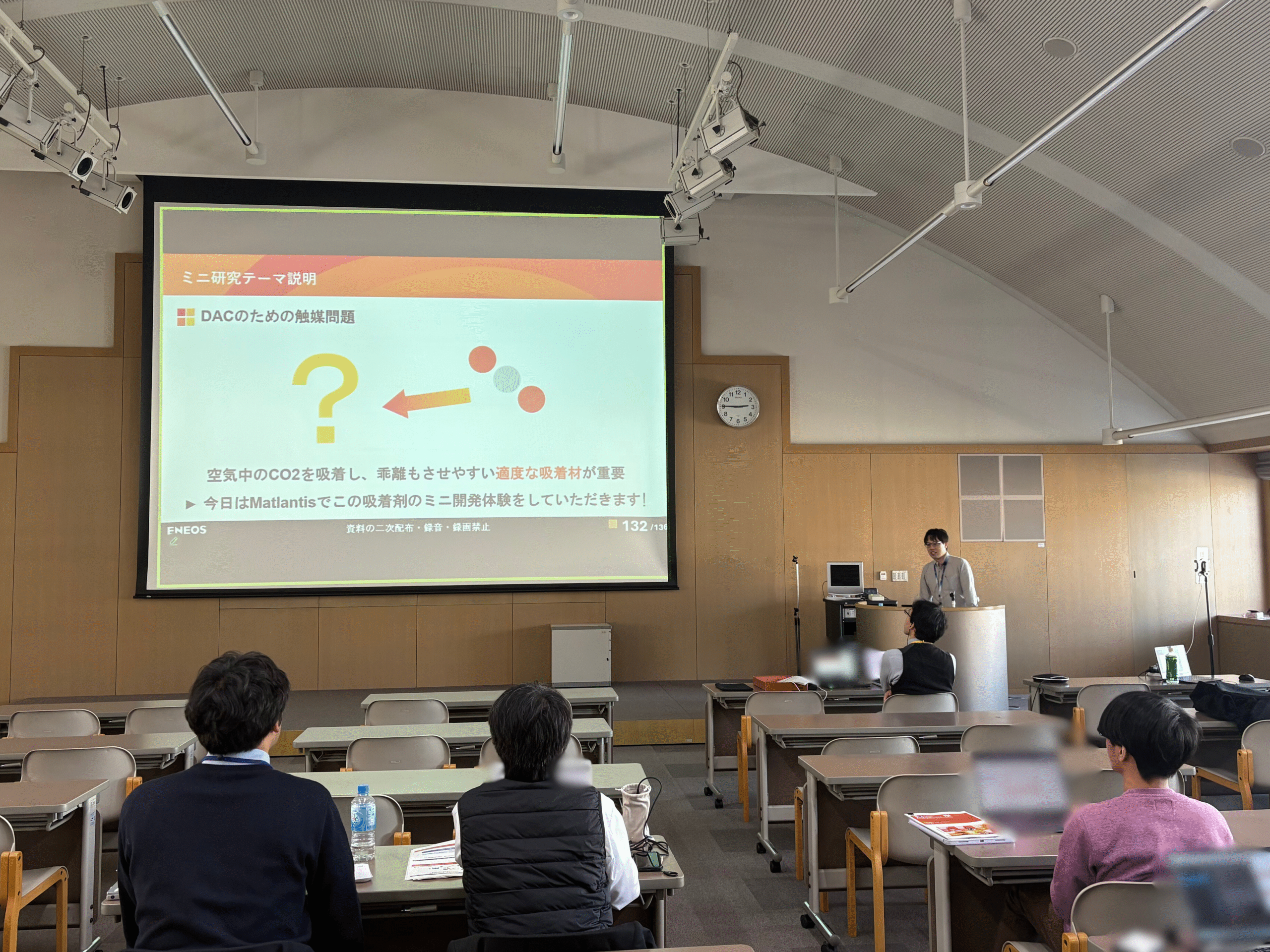
Learning AI materials simulation to accelerate research at the Fukui Kenichi Memorial Research Center, Kyoto University - Working with ENEOS to design the "best CO2 adsorbent"
Explainer : Why Did the AI Predict That ? Uncovering Atomic-Level Interpretability through PFP Descriptors and Shapley Values
Materials Informatics Explainer Computational Chemistry
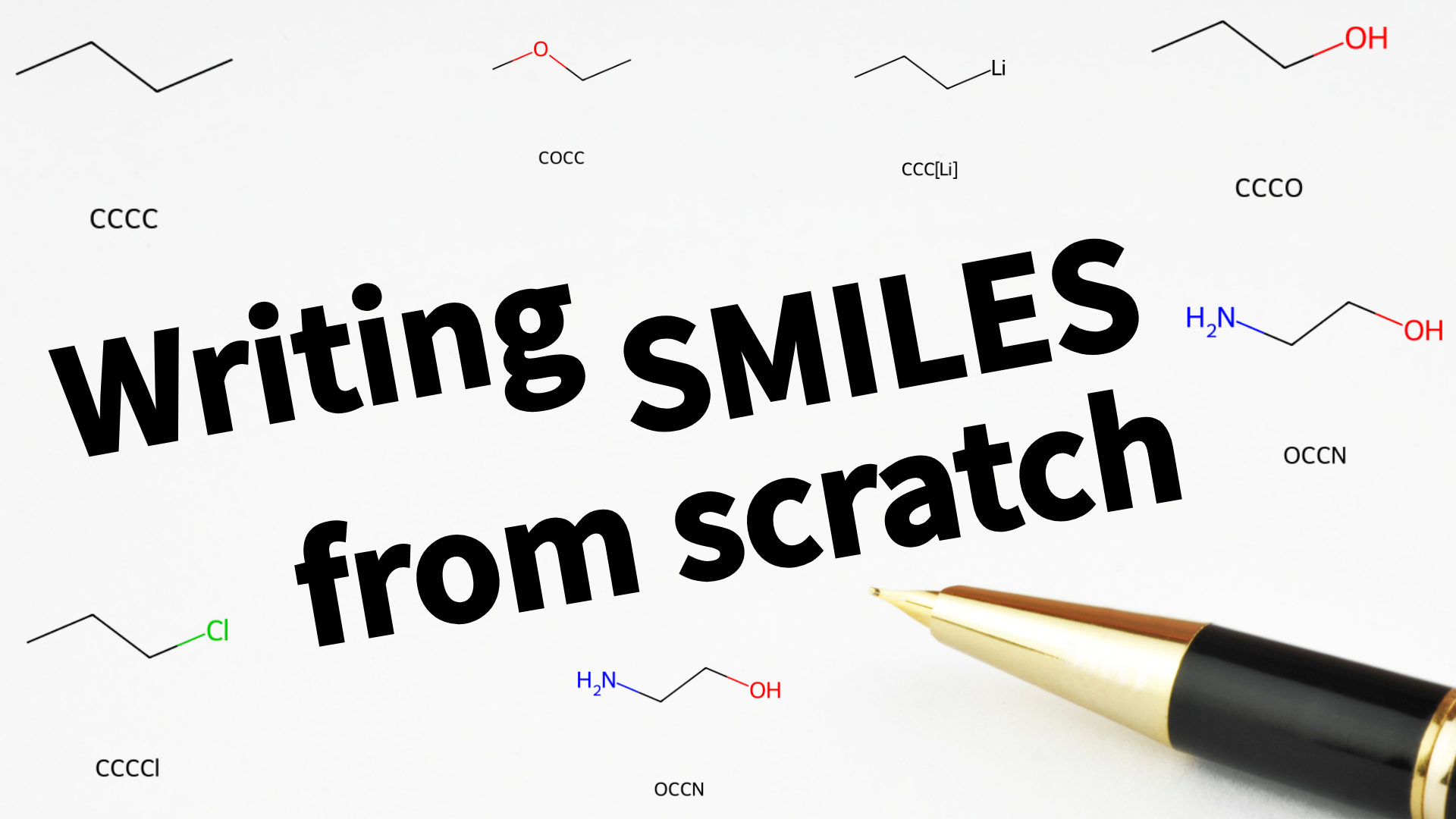
Writing SMILES from scratch
Explainer computational chemistry
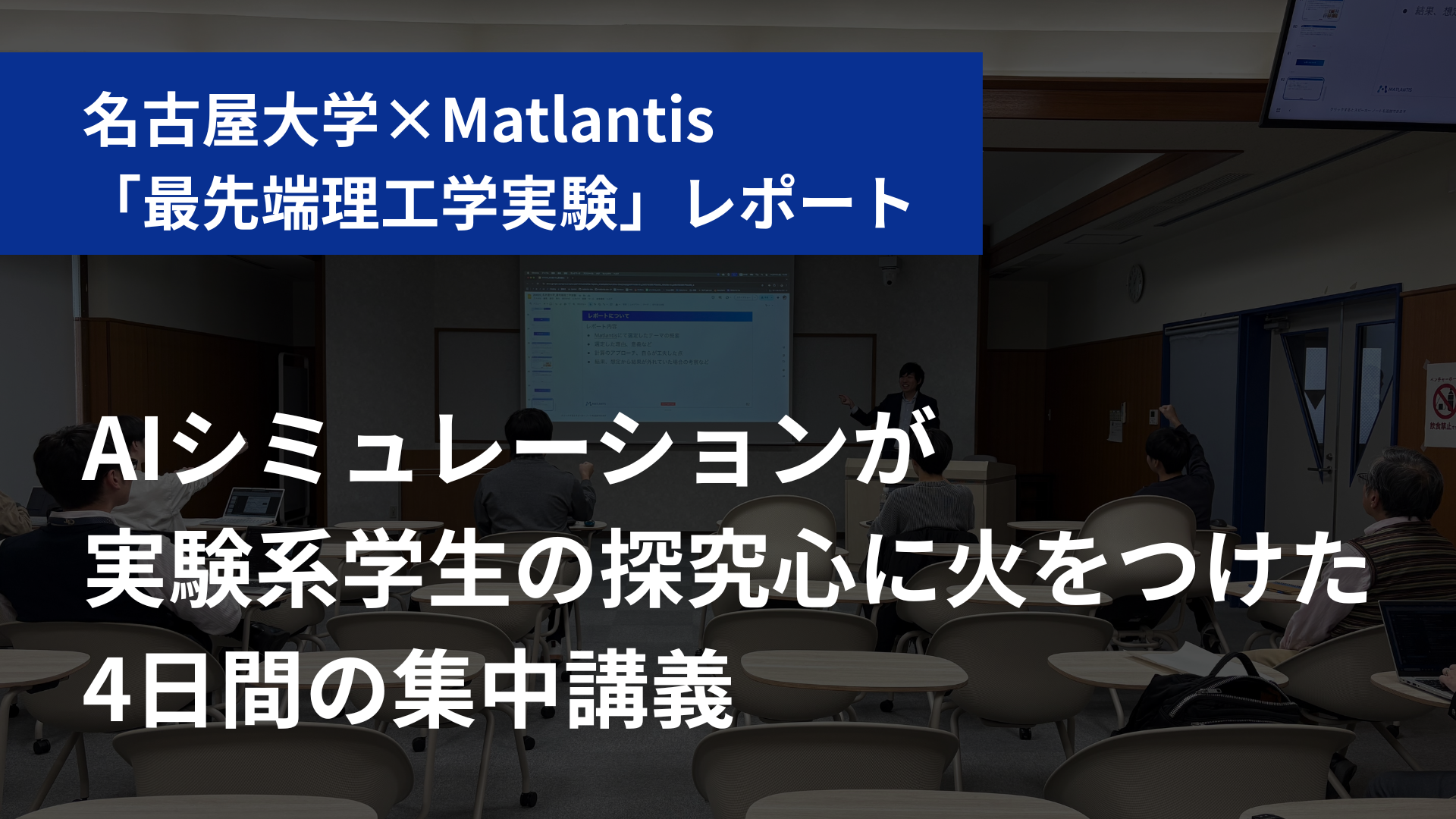
Nagoya University × Matlantis Case Study:“Advanced Experiments for Frontier Technologies and Sciences” —A Four-Day Intensive Course That Sparked Experimental Students’ Curiosity Through AI Simulation
Interview computational chemistry
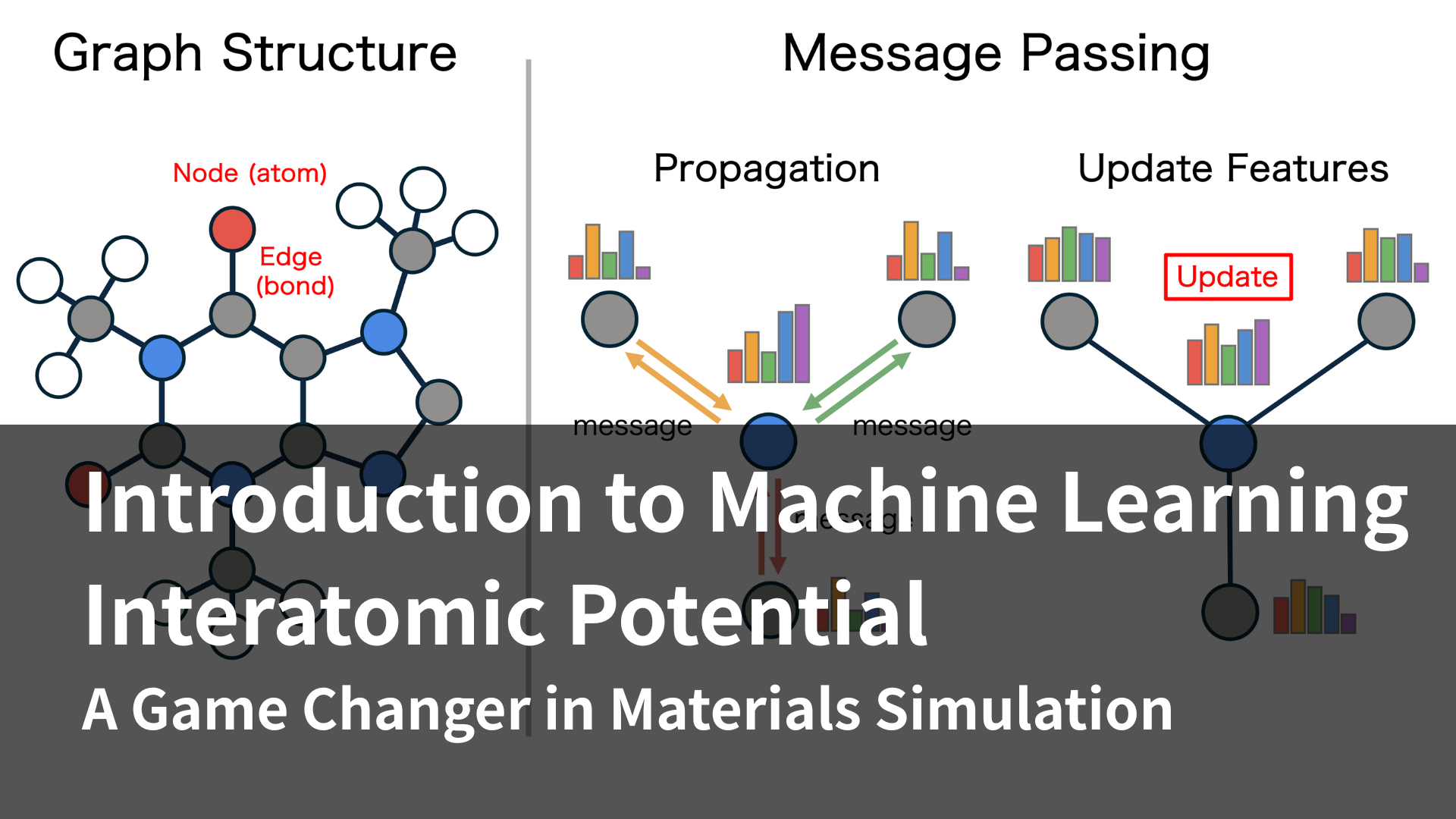
Introduction to Machine Learning Interatomic Potentials (MLIPs): A Game Changer in Materials Simulation

Machine Learning Interatomic Potentials Explainer
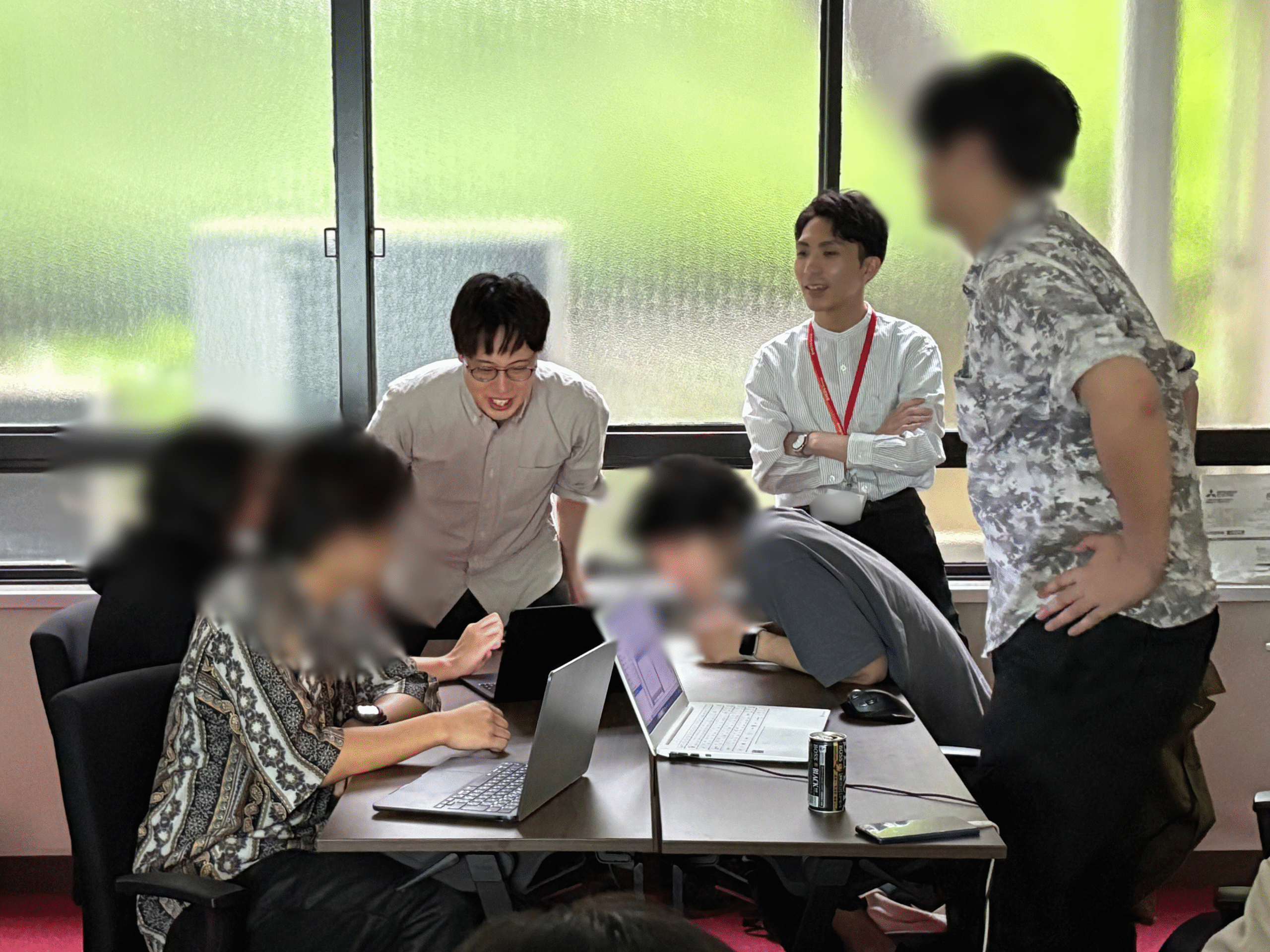
Matlantis, an AI materials simulation that accelerates research, is taught at the University of Tokyo's SPRING GX lectures. Doctoral students experience AI-based molecular design simulations with ENEOS.
Interview
Matlantis gave a presentation at the 26th Asian Workshop
Conference Report
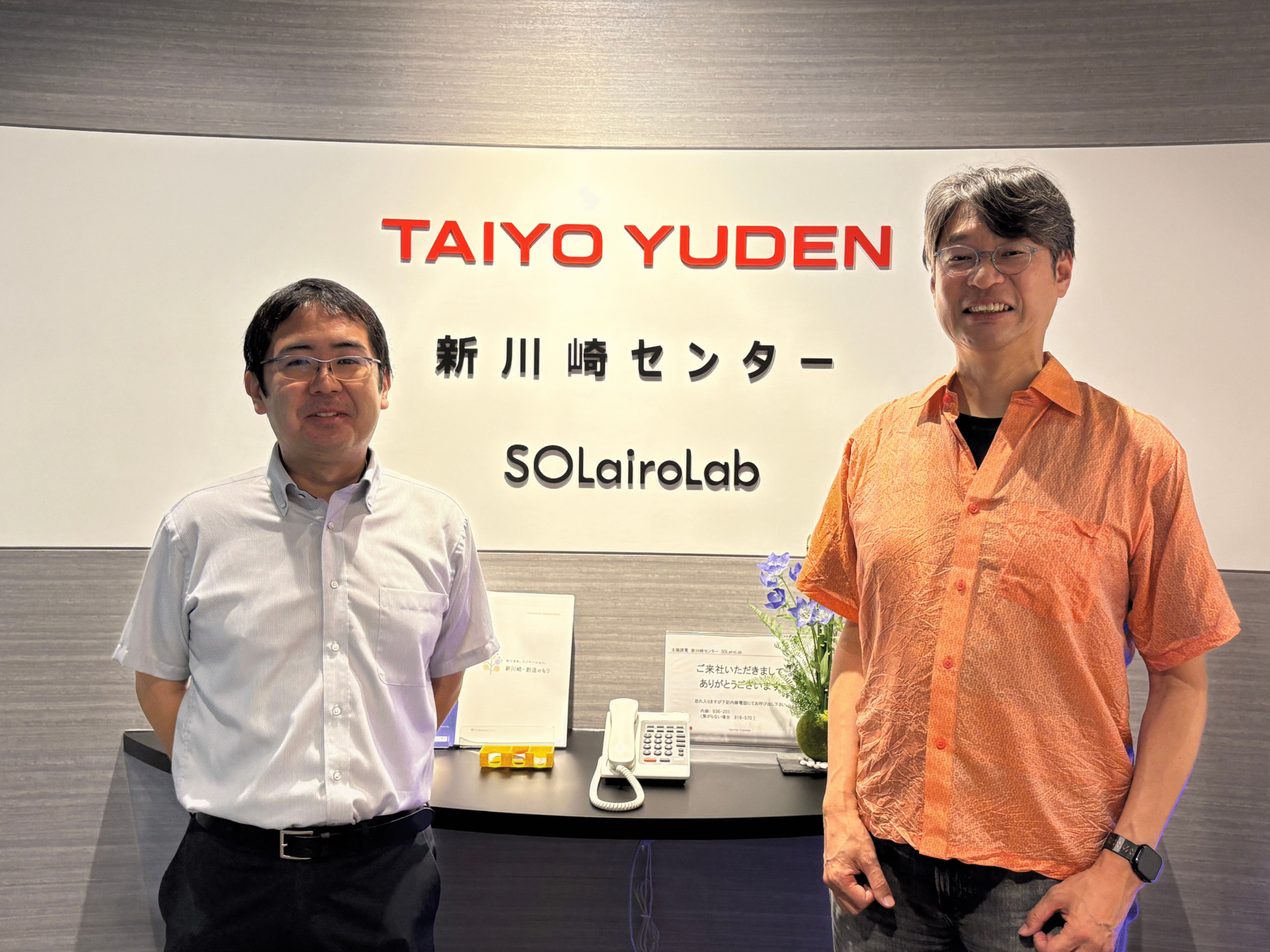
A new model for doctoral education pioneered through industry-academia collaboration: A "new pilot case" demonstrated by Institute of Science Tokyo and Taiyo Yuden Practice School
Interview
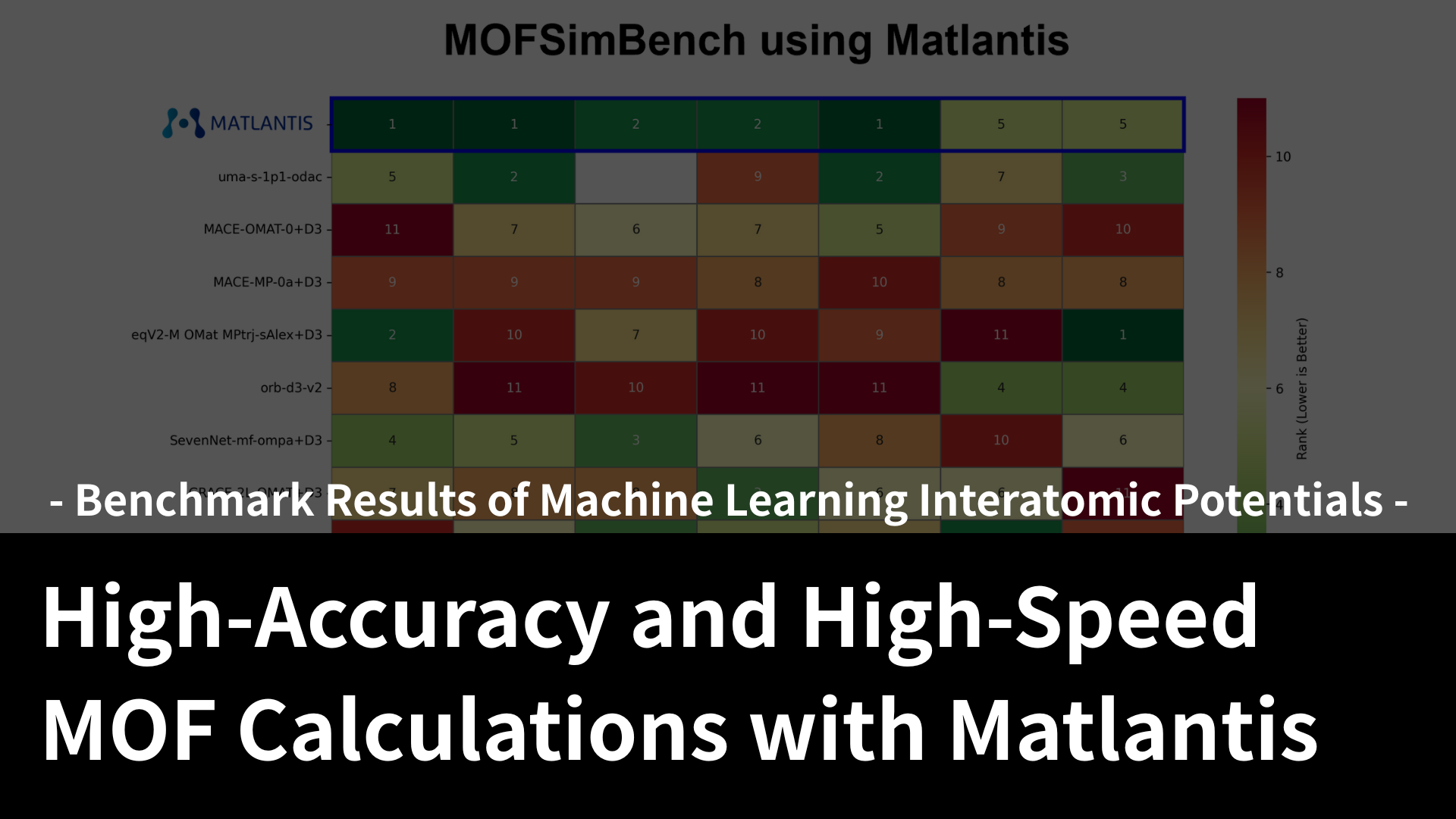
High-Accuracy and High-Speed MOF Calculations with Matlantis - Benchmark Results of Machine Learning Interatomic Potentials -

Explainer computational chemistry
Presentation given at the 86th The Japan Society of Applied Physics autumn meeting 2025
Conference Report

[Kyoto Univ. Prof. Kitagawa Wins the Nobel Prize in Chemistry]What is PCP / MOF? Explaining Their Impact and Significance

Explainer computational chemistry
![[Kyoto Univ. Prof. Kitagawa Wins the Nobel Prize in Chemistry]What is PCP / MOF? Explaining Their Impact and Significance](https://matlantis.com/wp-content/uploads/2025/10/ブログ_アイキャッチMOF-1-scaled.png)
The Future of Materials Science: Three Key Trends from ACS Fall 2025
Conference Report

-


 URL
URL
Copied
