開催レポート
学会・講演会
Zuse Institute Berlin, Germany2024.2.19-21 (GER)
CECAM 講演報告
2024年2月19日~2月21日ドイツ・ベルリンで開催されたCentre Européen de Calcul Atomique et Moléculaire (CECAM) 主催の“Perspectives and challenges of future HPC installations for atomistic and molecular simulations” workshopにて、講演およびポスター発表を行いました。
多くの来場者の方からご好評いただきました。お立ち寄りくださった方、誠にありがとうございました。
講演資料を公開させていただきますので、ぜひご覧ください。
タイトル
Million years of research acceleration with universal neural network potential-based SaaS
内容
- Introduce paper “Towards Universal Neural Network Potential for Material Discovery”
- Impact made by cloud service Matlantis: Universal High-speed Atomistic Simulator
講演資料
講演者情報
Kosuke Nakago
Preferred Networks, Inc.
Kosuke Nakago is an Engineer at Preferred Networks, Inc. He received his master degree in theoretical physics from the University of Tokyo in 2014. He worked on deep learning research & development at Preferred Networks, Inc. and developed chainer-chemistry, A Library for Deep Learning in Biology and Chemistry. He is also supporting users to utilize Matlantis for their innovative material discovery at Preferred Computational Chemistry, Inc. His research interest includes deep learning as well as its application to materials science. He also participates data science competition and he is Kaggle competition master and notebooks grandmaster.
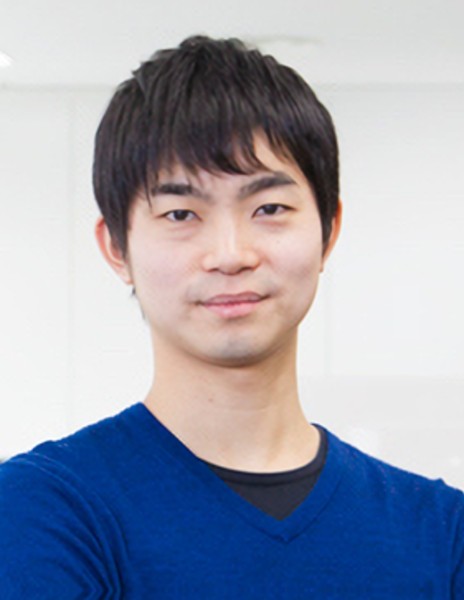
Rudy Coquet
Preferred Computational Chemistry, Inc.
Senior Manager at PFCC, he received his PhD in Chemistry from Cardiff University, UK in 2005 and his MBA from HEC Paris, France in 2013.
公開日:2024.02.26
-


 URLを
URLを
コピーしました
新着イベント・セミナー
NEW
動画配信
ウェビナー
OnlineOn-demand
[On-Demand Webinar] Simulating Semiconductor Unit Processes with a Universal Machine-Learning Potential
NEW
動画配信
ウェビナー
OnlineOn-demand
[On-Demand Webinar] Accelerating Computational Materials Design with CALPHAD, DFT, MLIPs, and AI Agents
NEW
大手町9:30
ハンズオンセミナー | Matlantisで始める計算化学 〜初歩から実践まで〜

動画配信
ウェビナー
オンライン配信今すぐ視聴可能
【オンデマンド】コーディングエージェントで広がるMatlantis活用―自然言語で進める計算化学の新しいワークフロー―
過去のお知らせ
ウェビナー
zoom7/23
Simulating Semiconductor Unit Processes with a Universal Machine-Learning Potential