
2026.9.4
イベント・セミナー
Matlantis User Conference 2026 開催のお知らせ
Matlantisをご利用の皆さまに向けた年次ユーザーイベント「Matlantis User Conference 2026」を9月18日に開催いたします。
昨年のUser Conference 2025では、300名以上の企業、大学等研究機関の皆さまにご参加いただき、研究・開発現場での活用事例の共有や最新機能の紹介、ユーザー同士の活発な情報交換が行われました。
第3回となる今年は、
AI for Scienceの最前線~科学者とAIによる研究開発の進化~
をテーマに開催いたします。
計算・実験・データを横断した研究の進め方が広がるなかで、AIの活用は材料開発の現場にも着実に浸透しつつあります。本カンファレンスでは、Matlantisユーザーによる実践的な活用事例や研究開発プロセスの変化に焦点を当て、科学者とAIがともに進めるこれからの研究開発の姿を共有します。
より多くの皆さまにご参加いただけるよう、今年はより大きな会場に変更して開催いたします。
Keynote
AI for Scienceの現在地と研究開発の方向性を読み解く2つの講演
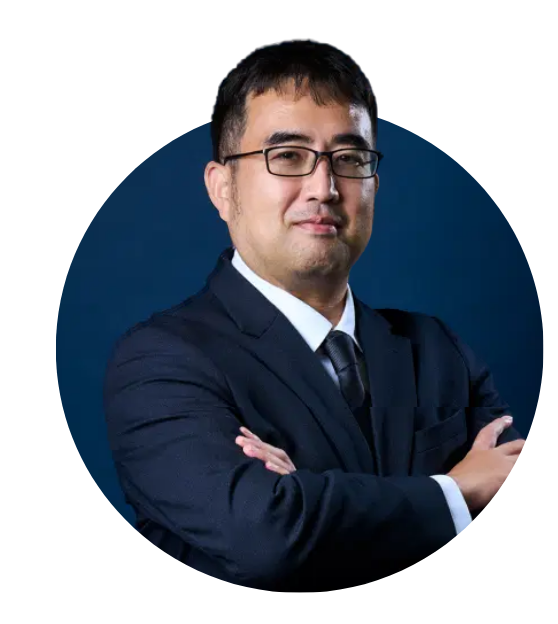
Power Decisions with Atomistic Insights ― AI for Science 時代の意思決定
岡野原 大輔
Matlantis株式会社 代表取締役社長
株式会社Preferred Networks 共同創業者 代表取締役社長
講演タイトル
Power Decisions with Atomistic Insights ― AI for Science 時代の意思決定
講演要旨
Matlantisは、皆様に支えられて5周年を迎えました。この5年で、汎用機械学習原子間ポテンシャル(MLIP)は材料研究の手法として着実に認知を広げ、早期の開発方針転換や新材料の創出につながったというお声もいただいています。 その間、AIの側でも大きな変化が起きています。自律的にタスクをこなすAIエージェント。物理法則を学習し、現実世界のタスクを担うPhysical AI。MLIPもまた、ミクロな物理を学習したPhysical AIの先駆けと言えます。様々なスケールでPhysical AIが進化し、それらをAIエージェントがつないでいく。AI for Scienceとは、そういう時代だと考えています。 では、その時代に、研究開発と意思決定はどう変わるのか。私たちがビジョンに「Power Decisions with Atomistic Insights ― 原子レベルの洞察で、意思決定を動かす」と掲げている理由も、この問いの先にあります。本講演では、MatlantisとAI for Scienceの現在地、そしてこの時代の意思決定を皆さまと一緒に考えながら、独自のMLIP技術を起点に、サービスとテクニカルソリューションを含めた総力で研究開発を支えていく展望をお話しします。

Justin S. Smith
NVIDIA
Principal Developer Relations Manager

Justin obtained a B.S. in math and Ph.D. in chemistry from the University of Florida, then was a postdoc at Los Alamos National Laboratory, where he was promoted to staff scientist. He was a ML scientist in drug design at Relay Therapeutics. Justin developed the ANI machine learning interatomic potential (MLIP) and pioneered the development of general-use machine learning interatomic potentials for small molecule drug design. He later contributed to the HIP-NN and AIMNet MLIPs, and active learning methodologies for training MLIPs for materials science and reactive chemistry applications. Now he helps the ML chemistry and materials science community fully utilize NVIDIA hardware.
AIは研究・開発をどう変えたのか?
実験・計算・データの共創の現在地
AIが研究・開発をどう変えつつあるのか。各企業の研究者が最前線の取り組みをディスカッション形式で共有します。
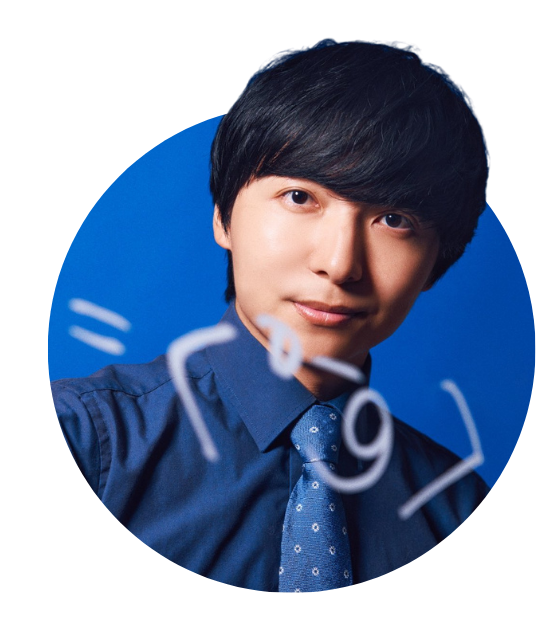
ヨビノリたくみ氏
YouTuber/教育クリエイター
東京大学大学院修士課程修了。学生時代は理論物理学を専攻。予備校講師としての経験をもとに、科学のアウトリーチ活動の一環としてYouTubeチャンネル「予備校のノリで学ぶ大学の数学・物理」(通称ヨビノリ)を開設。大学レベルの数学、物理を中心とした理系科目の授業動画を配信。「インターネット動画配信による革新的な科学の理解増進」を業績として令和5年度文部科学大臣表彰科学技術賞(理解増進部門)を受賞。現在のチャンネル登録者は128万人。
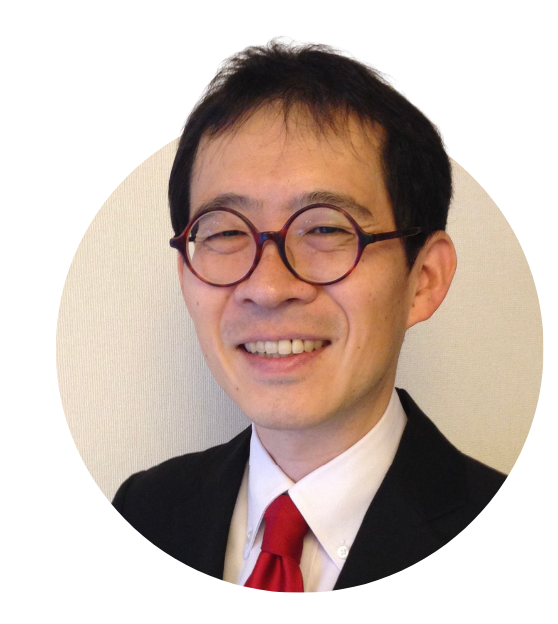
AI for Materials×知のバリューチェーン
服部 正氏
内閣府 科学技術・イノベーション推進事務局参事官(マテリアル担当)
文部科学省 研究振興局参事官(ナノテクノロジー・物質・材料担当)
User Session
4つの企業・アカデミアの研究者が登壇。材料研究の現場でMatlantisがどのように活用され、研究開発にどのような変化をもたらしているのか、実践的な事例や取り組みをご紹介します。
Tech Session
Matlantisの最新動向を、開発ロードマップと研究現場での活用の2つ観点からご紹介します。
AIが拡げるシミュレーションの役割
— 組織の研究力を引き上げる
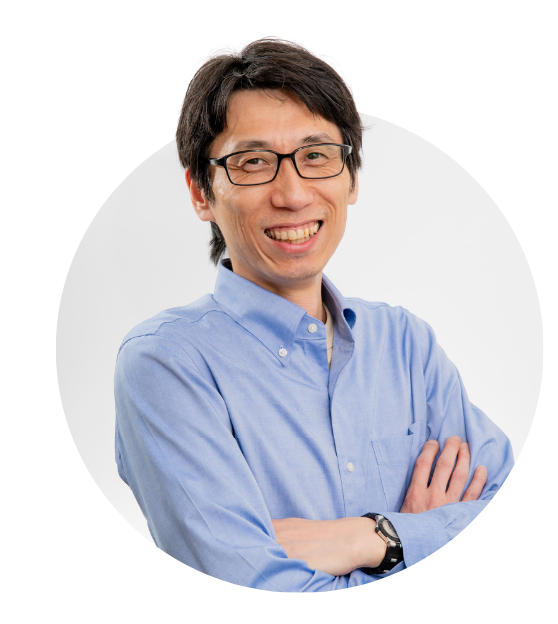
川口 順央
Matlantis株式会社
プロダクトマネジメント部長
シミュレーションの先へ。Matlantisが実現する「材料・プロセス設計」の革新
浅野 裕介
Matlantis株式会社
テクニカルソリューション部長
講演タイトル
AIが拡げるシミュレーションの役割
— 組織の研究力を引き上げる
講演要旨
シミュレーションは長らく、計算化学の専門家が自らの研究テーマで成果を出すための道具でした。しかしいま、AIの進化がシミュレーションの役割を変えつつあります。
汎用ニューラルネットワークポテンシャルの精度が上がり、研究現場で信頼して使える計算基盤が整ってきました。その上でAIエージェント技術が計算の設計・実行を支援することで、計算化学者の深い知見と実験化学者の現場感覚がつながる接点が生まれ始めています。
これは専門家を置き換える話ではありません。計算化学者の専門性があるからこそシミュレーションの結果に意味が生まれ、実験化学者の問いがあるからこそ計算すべきテーマが定まる。異なる専門性の掛け合わせが、組織としての研究開発のサイクルを変え始めた事例が実際に出てきています。
本講演では、こうした事例とMatlantisの開発の方向性を通じて、シミュレーションで組織の研究力を引き上げるための道筋をお伝えします。
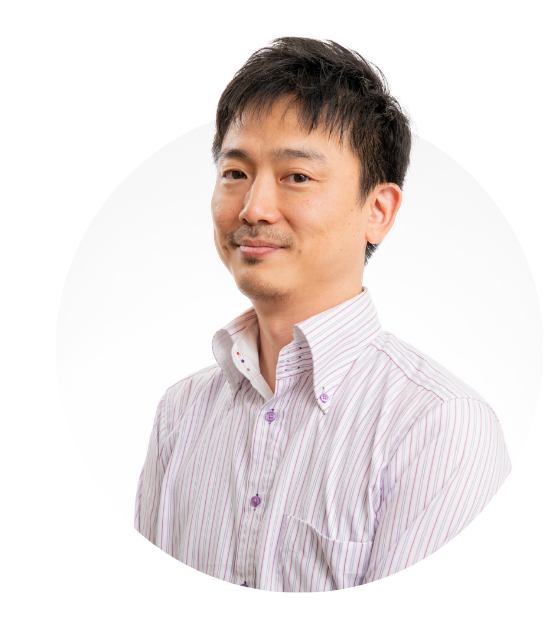
東北大学大学院工学研究科航空宇宙工学専攻修了。製造業でソフトウェアエンジニアとして10年以上従事した後、スタートアップで開発責任者を経てPreferred Networks(PFN)に入社。2023年12月よりMatlantis(旧PFCC)に出向。現在はプロダクトマネジメント部長としてプロダクト戦略を統括し、技術戦略とビジネスモデルの融合によりMatlantisの事業価値最大化に取り組む。
講演タイトル
シミュレーションの先へ。Matlantisが実現する「材料・プロセス設計」の革新
講演要旨
火の発見から始まった化学の歴史は、21世紀に人工知能(AI)の進化と交差を遂げました。AIがあらゆる科学の発見を加速させる、この「AI for Science」の潮流の中心において、Matlantisは誕生からの5年間、原子レベルシミュレーションの常識を覆し続けてきました。本講演では、世界中の研究論文におけるMatlantisの引用解析をはじめとする具体的なデータから、我々がこれまでに材料開発の現場へいかに貢献し、なぜここまで急速な普及を遂げたのか、その原動力を紐解きます。
汎用原子レベルシミュレーターとしての成功は、我々のゴールではありません。Matlantisが掲げるビジョン「Power Decisions with Atomistic Insights.(原子レベルの洞察で、意思決定を動かす)」の実現には、単に「計算結果を出す」だけではなく、それを「材料設計・プロセス設計」という実務へ昇華させる包括的なソリューションが不可欠です。
当社が目指す「シミュレーターの先にある価値提供」の全貌を明かすとともに、ミクロな原子の挙動からマクロな製造プロセスへの橋渡し、すなわちスケールと時間の壁をいかに超えていくかという、現在地と未来の挑戦について議論します。
上智大学大学院の理工学研究科(修士課程)を修了後、国内の化学メーカーで約12年間、研究員として勤務。在職中は、ArF液浸フォトレジストや化学機械平坦化(CMP)材料などの半導体材料を中心とした研究開発に従事。また、海外研究派遣としてテキサス大学オースティン校のグラント・ウィルソン(C. Grant Willson)研究グループに所属し、自己組織化(DSA)の研究に取り組む。
2019年3月からはENEOS(旧JXTGエネルギー)にて、マテリアルズ・インフォマティクス(MI)を用いた材料設計の研究や、汎用機械学習原子間ポテンシャル(uMLIP)を用いた材料設計手法の開発に従事。その後、Matlantis株式会社(旧Preferred Computational Chemistry)にカスタマーサクセスとして出向。現在に至る。
専門分野:有機合成、高分子合成・評価、フォトレジスト材料、自己組織化材料、機械学習、原子レベルのシミュレーション、特許分析、文献分析
Poster Session
企業・大学の研究者によるMatlantis活用事例をポスター形式で発表します。発表者と直接対話しながら深掘りできる貴重な機会です。終日掲示されていますので、お気軽にご覧ください。
研究者・ユーザー同士の交流の場
講演やポスターセッションの後には、参加者同士で交流いただける懇親会を開催します。分野や所属を越えた情報交換や、新たなつながりが生まれる場を目指します。
開催概要
日程:2026年9月18日(金)10:45~20:00 (暫定)
参加対象:Matlantisをご利用中の企業・アカデミアユーザー
今年も、Matlantisの最新情報だけでなく、ユーザーの皆さまによる事例セッションやポスターセッションなど、研究開発の現場での実践的な取り組みをご紹介いただくコンテンツを予定しており、参加者同士で知見を共有できる場となるよう準備を進めています。
また、昨年のイベントの様子を知りたい方はこちらをご覧ください。
-


 URLを
URLを
コピーしました
関連ニュース
-
2026.9.11イベント・セミナーNEW
Crystal Structure Prediction in Practice: Setting Up Searches and Reading Results with Matlantis CSP
-
2026.8.28イベント・セミナーNEW
-
2026.8.25イベント・セミナーNEW
