
2026.1.28
プレスリリース
製品・サービス
Matlantis、未知の安定結晶を高速に発見する新機能「Matlantis CSP」を提供開始
Matlantisのコア技術である汎用原子間ポテンシャルによる高速計算と、独自開発のアルゴリズムを組み合わせることで、従来の計算制約を解消し、迅速な材料探索を実現
Matlantis株式会社(本社:東京都千代田区、代表取締役社長:岡野原 大輔)は、汎用原子レベルシミュレータ「Matlantis™」において、特定の元素系における無数の原子配置や組成の組み合わせの中から未知の安定結晶を高速に発見する新機能「Matlantis CSP(Crystal Structure Prediction)」を、2026年1月28日より提供開始いたします。
開発の背景:なぜ今「結晶構造探索 (CSP)」なのか
脱炭素・次世代エネルギーといった社会課題の解決には、全固体電池の固体電解質や触媒など、新規無機材料の開発が不可欠です。これらの材料性能は、複数の元素が複雑に組み合わされて結晶を形成しており、その性能は結晶構造に強く依存します。しかし、ここで重要なのは、「理論的に高い性能が出る構造」が、必ずしも「安定に存在できる」とは限らないという点です。無数の候補の中から、高い性能と構造的な安定性を兼ね備えた結晶を実験だけで探し出すことは、多大な時間とコストを要する困難な作業でした。シミュレーションによるスクリーニングで「安定に存在し得ない構造」を事前に切り分けできれば、有望な材料を発見するまでの時間を短縮できるようになります。
従来手法の課題
従来のCSP手法には、主に3つの大きな壁がありました。
- 計算時間の限界: DFT計算(電子状態計算)による構造評価は1構造あたり数時間を要し、逆に簡易的な手法では結果の信頼性が不足していました。
- 探索の偏り: 組成を変化させながら探索を行うと、特定の組成にサンプリングが偏ってしまい、網羅的な探索が困難でした。
- 環境構築・設定の煩雑さ: 複雑な組成空間を探索しようとすると、入力パラメータの設定や計算環境の管理が非常に複雑で、専門的な知識が必要でした。
Matlantis CSPが提供する3つの価値
Matlantis CSPは、Matlantisのコア技術である汎用原子間ポテンシャル(PFP)と独自技術を組み合わせ、上記課題を解決しました。
1. ハイスループット構造評価
PFPの活用により、1構造あたり数秒から数分という圧倒的な速さで信頼性の高いエネルギー評価を実現。さらに、探索過程で発生しやすい異常な原子配置に対してもエラーで止まることなく、頑健に計算を完遂できる仕組みを導入しています。
2. 網羅的かつ高効率な探索アルゴリズム
組成空間全体を探索するために独自開発したアルゴリズムを搭載。多様性を保ちながら幅広い構造をサンプリングすることで、従来のランダム探索と比較して約3〜6倍の探索効率を実現し、任意の組成において漏れのない探索を可能にしました。 (※本最適化アルゴリズムには、Preferred Networksが開発する「Optuna™」を高度に改良して活用しています)
3. Matlantis環境に特化した並列処理基盤
数万回に及ぶ試行を短時間で処理できるよう、メモリ・並列処理を最適化。ユーザーは複雑な環境構築を行う必要がなく、「使い始めたその瞬間から」大規模な探索計算を開始できます。
研究者の「使いやすさ」を追求した機能設計
Matlantis CSPは、実際の材料開発に携わるお客様からのフィードバックを反映し、継続的に改良していきます。
1. 現場の声から生まれた操作性
- 直感的なインターフェース: 専門的な計算環境の構築を不要にし、研究者が本来の目的である「材料探索」に集中できる環境を実現しました。
- 充実のExample:実践的な計算手順を網羅したサンプルコードを提供。自分の系に合わせて元素名を書き換えるだけで、すぐに高度な探索をスタートできます。
2. 目的に合わせて選べる2つの探索モード
- 全体探索:結晶構造を一切仮定せず、ゼロベースで未知の新構造を発見するモードです。原子数や組成比を固定せず、元素の組み合わせから最適な構造を網羅的に探します。
- 置換構造探索: ペロブスカイト構造などの特定の母構造を仮定し、そのサイトを別の元素で置き換えた際の安定性を探索するモードです。元素添加の限界予測などに適しています。
これらの技術的革新と、お客様にとって使いやすい機能設計により、開発効率を劇的に向上させ、新材料の早期実用化を実現します。
今回の新機能リリースに対し、以下の通りお客様よりコメントをいただいております。
株式会社本田技術研究所 先進技術研究所 デバイス・プロセス領域 チーフエンジニア
川合 光幹様 のコメント
この度は、CSPコードのリリース誠におめでとうございます。材料開発における探索効率を飛躍的に高める技術として、本CSPに大きな期待を寄せています。周期表の大部分をカバーした高精度な機械学習原子間ポテンシャルであるMatlantisと連携したこのCSPにより、これまで計算コストの制約から十分に検討できなかった多成分系や準安定構造まで含めた結晶構造探索が現実的になりました。実験前の段階で有望な結晶構造と組成を高い確度で絞り込めることは、次世代材料の実現確率を高めるだけでなく、開発期間を短縮すると考えています。今後、本CSPが材料開発を加速させる中核技術として進化していくことを強く期待しています。
活用実績
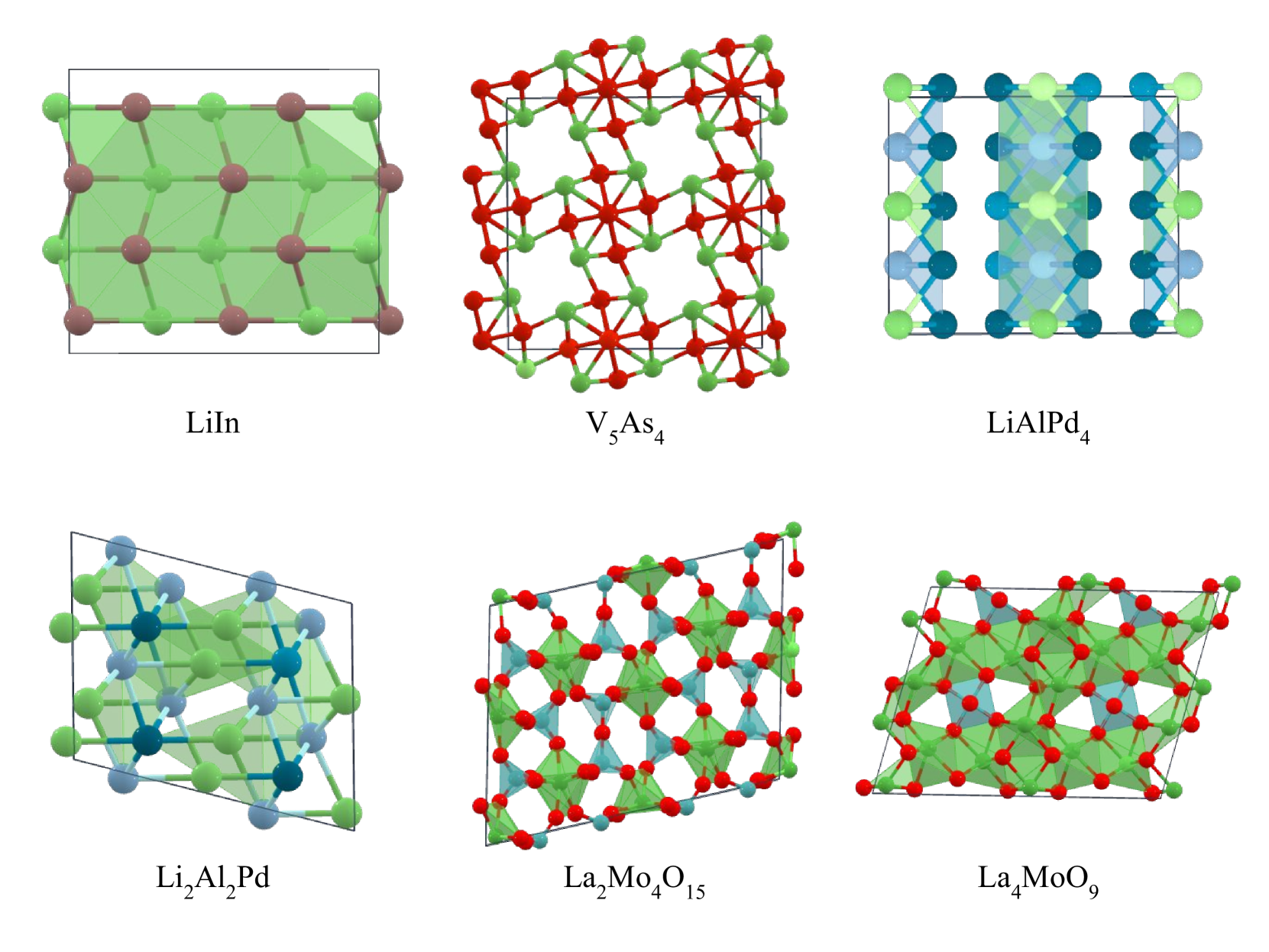
未知の新結晶発見: 酸化物、合金、リン化物など様々な系で、既に10を超える未知の新結晶を発見しています。例えばGa-Au-Ca系では13個の新しい結晶が見つかり、既存データベースの相図が大きく更新されました。
Matlantis株式会社について
Matlantisは、革新的な材料・素材の創出を通じて持続可能な世界の実現を目指し、2021年に株式会社Preferred NetworksとENEOS株式会社の合弁会社として株式会社Preferred Computational Chemistryとして設立されました。(2025年7月よりMatlantisへ社名変更)
提供する汎用原子レベルシミュレータMatlantisは、材料特性の原子レベルでの現象解明や新素材開発を実現するためのクラウドサービスです。従来の原子シミュレータに機械学習原子間ポテンシャルを組み込むことで、計算スピードを従来の数万倍に高速化し、幅広い物質への適用を可能にしました。
現在、日本国内を中心に150以上の企業や大学などの研究機関で利用されており、2023年からは海外展開も開始し、フォルクスワーゲン(独国)や現代自動車(韓国)などへの導入も進んでいます。 https://matlantis.com/ja
本件に関するお問い合わせ先
Matlantis株式会社
広報担当:堀野 pr@jp-matlantis.com
Materials discovery leader launches Crystal Structure Prediction solution, with Honda as early adopter.
BOSTON, Mass and TOKYO, Japan – January 28, 2026 – Matlantis today announced the launch of Matlantis CSP (Crystal Structure Prediction), a new capability within its universal atomistic simulator that rapidly identifies previously unknown stable crystal structures from the enormous search space of atomic configurations and compositions within a given elemental system.
New materials are essential for challenges such as decarbonization and next-generation energy, but materials R&D has long depended on repeated synthesis experiments, even when the likelihood of success is low. Matlantis CSP introduces a computational screening step earlier in the process, helping teams rule out what is physically implausible in advance and focus on the most promising candidates.
Honda R&D is adopting Matlantis CSP to improve exploration efficiency in materials development, including multi-component systems and metastable structures that have historically been difficult to evaluate due to computational cost.
Breaking past the limits of conventional CSP approaches
Until now, crystal structure prediction has been constrained by several persistent barriers: DFT-based evaluation can take hours per structure, search processes often bias toward particular compositions when exploring variable composition spaces, and large-scale runs can require complex environment setup and specialized expertise. Matlantis CSP is designed to remove these constraints by combining Matlantis’ core technology—its universal machine-learning interatomic potential PFP (Preferred Potential)—with proprietary algorithms and a parallel processing foundation optimized for large-scale CSP. This delivers:
1) High-throughput structure evaluation: Using PFP, Matlantis CSP can evaluate energies in seconds to minutes per structure while maintaining reliability. It also incorporates safeguards to complete calculations robustly without halting on anomalous atomic configurations that commonly arise during searches.
2) Comprehensive and highly efficient search across composition space: Matlantis CSP includes a proprietary algorithm designed to explore the full composition space while preserving diversity in sampled structures. Compared with random search, it improves search efficiency by approximately 3–6×, enabling thorough exploration without omissions across arbitrary compositions.
3) A parallel processing foundation optimized for the Matlantis environment: To process tens of thousands of trials in a short time, Matlantis CSP optimizes memory and parallel execution for Matlantis. Users can begin large-scale searches immediately, without complex environment setup.
“We have high expectations for CSP as a technology that will dramatically improve exploration efficiency in materials development,” said Mitsumoto Kawai, Chief Engineer, Device Process, Innovative Research Excellence, Honda R&D Co., Ltd. “Through CSP, crystal structure searches—including multi-component systems and metastable structures that were previously impractical—have become feasible. Being able to narrow down promising crystal structures and compositions with high confidence before experiments will not only increase the probability of realizing next-generation materials but also shorten development timelines.”
Here is the link to the Honda case study.
Matlantis CSP has already produced early results across multiple systems—oxides, alloys, and phosphides—discovering more than 10 previously unknown stable crystals. In the Ga–Au–Ca system, it identified 13 new crystals, significantly updating the phase diagram relative to existing databases.
“With Matlantis CSP, we’re making crystal structure prediction practical at real research scale, so teams can explore broader composition spaces, identify promising candidates earlier, and reduce time spent on low-probability experiments,” said Daisuke Okanohara, CEO, Matlantis. “We’re encouraged to see Honda R&D recognize the impact CSP can have, and we look forward to accelerating the path from simulation to synthesis with partners across industry.”
About Matlantis
Jointly developed by PFN and ENEOS, Matlantis is a universal atomistic simulator that supports large-scale material discovery by reproducing new materials’ behavior at an atomic level on the computer. PFN and ENEOS have incorporated a deep learning model into a conventional physical simulator to increase the simulation speed by tens of thousands of times and to support a wide variety of materials. Matlantis was launched in July 2021 as a cloud-based software-as-a-service by Matlantis Corp. (formally named Preferred Computational Chemistry), a company jointly invested by PFN, ENEOS and Mitsubishi Corporation.
Matlantis is used by over 150 companies and organizations for discovering various materials including catalysts, batteries, semiconductors, alloys, lubricants, ceramics and chemicals. For more information, please visit: https://matlantis.com/en/.
-


 URLを
URLを
コピーしました
関連ニュース
-
2025.12.3プレスリリース
Matlantis、世界最大の化粧品会社ロレアルの「北アジアBig Bang ビューティーテックイノベーションプログラム」のリサーチ&イノベーション部門において最優秀スタートアップとして選出
-
2025.11.21プレスリリース
-
2025.7.16プレスリリース企業・経営製品・サービス
